
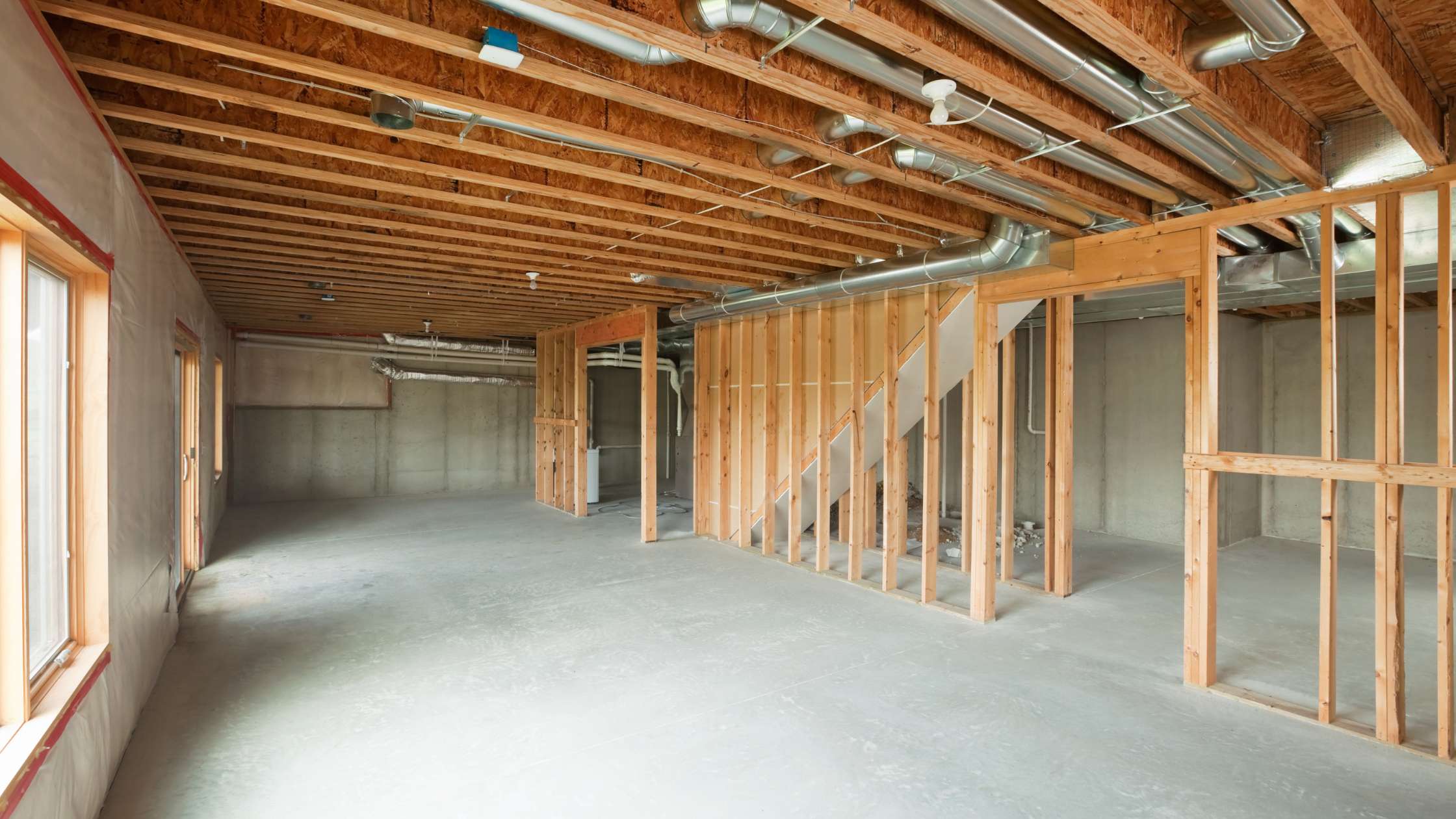
Colorado Basement Finishing – How to Do It Right
Colorado basement finishing requires specialized expertise that goes far beyond standard remodeling knowledge. The state’s unique climate conditions, strict building codes, and radon concerns demand contractors who understand these regional challenges inside and out. Whether you’re considering transforming your Denver home with additional living space or adding value before selling, selecting the right basement contractor makes all the difference. JROC Properties brings deep Colorado market knowledge and construction expertise to help homeowners navigate this complex process successfully.
TL;DR: Colorado Real Estate Investing 2025
Colorado real estate investing in 2025 is less about speculation and more about execution. With stabilized rates, balanced inventory, and stronger tenant demand, disciplined investors can secure positive cash flow and long-term growth across markets like Denver, Aurora, and Colorado Springs.
Key Points
- Market shift:Inventory up ~20%, creating real negotiation leverage.
- Top metros:Denver for value-add, Aurora for entry price, Colorado Springs for stability.
- Returns:Typical cash-on-cash yields range from 6–9% with 3–5% appreciation.
- Financing:DSCR & traditional loans remain viable—expect 20–30% down.
- Risk factors:Rising insurance and compliance costs; mitigate via proper underwriting.
- Strategy:Focus on cash flow first, appreciation second—use conservative projections.
Connect withJROC Propertiesto evaluate your next Colorado investment.
Table of Contents

Why Colorado Basement Finishing Requires Specialized Expertise
Colorado basement finishing presents unique challenges, including environmental pressures that contractors from other regions often underestimate. The semi-arid climate, dramatic temperature swings, and unique soil composition create distinct challenges that need tailored solutions.
Unique Climate and Moisture Challenges
Clay-heavy soil across Northern Colorado expands when wet and contracts during dry periods, causing foundation shifting and cracks that allow moisture intrusion. Colorado’s freeze-thaw cycles make these issues worse during late winter and spring when rapid snowmelt saturates soils.
Despite the region’s reputation for low humidity, basements maintain elevated moisture levels due to limited ventilation and underground positioning. Professional contractors address these challenges through robust waterproofing systems, proper vapor barriers, and dehumidification strategies designed specifically for Colorado conditions.
A 2023 Evergreen project shows this perfectly. Home inspection flagged moisture and mold in an unsealed crawl space, jeopardizing a pending sale. The solution involved CleanSpace encapsulation with drainage matting, vapor barriers, and mold-resistant insulation. The outcome restored air quality, eliminated moisture issues, and enabled the successful home sale with a transferable warranty for buyers. This showed how proper moisture management directly impacts marketability in Colorado’s real estate market.
Colorado Building Codes and Egress Requirements
Homeowners planning Colorado basement finishing projects must follow 2021 IRC standards, which dictate egress sizes and ventilation requirements. As of 2025, Colorado basement construction follows the 2021 International Residential Code with most jurisdictions transitioning to 2024 IRC/IECC standards by July 2026. These codes establish specific egress requirements that directly impact basement layouts and usability.
Every sleeping room requires an emergency escape window with minimum net clear opening of 5.7 square feet and minimum opening height of 24 inches with width of 20 inches. The bottom of the clear opening must be no more than 44 inches above the floor. Window wells deeper than 44 inches require permanently affixed ladders or steps.
Habitable spaces must maintain a minimum ceiling height of 7 feet, with beams and obstructions permitted to project to 6 feet 4 inches. Emergency exits must provide continuous, unobstructed paths to the exterior, operable from inside without keys or special tools. These requirements significantly influence basement design and must be addressed during the planning phase to avoid costly mid-project modifications.
Radon Mitigation and Testing Standards
Colorado law requires radon measurement and mitigation by state-certified, licensed professionals except for owner-occupied single-family homes. All rooms intended for occupancy on ground-contact floors, including basements, must be tested after modifications. Results above 4 pCi/L trigger mitigation requirements.
Professional mitigation follows ANSI/AARST RMS-MF-2018 standards, typically involving installation of dedicated vertical vent pipes to the roof with accessible electrical junction boxes for future fan installation. Real estate transactions involving finished basements require sellers to disclose past radon tests, mitigation records, detected concentrations, and provide official brochures from Colorado Department of Public Health and Environment to buyers.
What Sets Top-Rated Basement Finishing Contractors Apart
The difference between mediocre and exceptional basement contractors shows up in credentials, communication, and commitment to quality. Understanding these distinguishing factors helps homeowners make smart decisions.
Essential Licensing and Insurance Requirements
Contractors must hold valid licenses for basement finishing, typically as residential remodelers or general contractors. Fort Collins requires Class D2 or Class E licenses for basement and interior finishes, while Denver and Colorado Springs require contractor registration through local building departments.
Certificate of liability insurance protects homeowners from property damage or accidents related to basement work. Workers’ compensation insurance is required when contractors employ staff. Request current certificates of insurance and verify coverage limits meet or exceed local requirements. Bonding, while not always mandated statewide for residential work, provides additional protection against incomplete or substandard projects.
Always verify license status directly with your municipality’s building department or state contractor licensing board. Check the Better Business Bureau profile for ratings, complaint history, and resolution track record.
Track Record and Verifiable References
Request references with documented examples of similar basement projects. Contact 2-3 recent clients directly and ask about workmanship quality, communication, timeline adherence, and problem resolution. Better yet, ask permission to visit completed projects and inspect finished work firsthand.
Review online platforms beyond the contractor’s website. Check ratings on Google, Houzz, and specialized remodeling directories. Pay attention to how contractors respond to negative reviews. Professional contractors address concerns transparently and work toward resolution rather than becoming defensive or dismissive.
Membership in reputable associations like the National Association of the Remodeling Industry (NARI) or National Association of Home Builders (NAHB) indicates commitment to ongoing education and adherence to ethical standards.
Design Capabilities and 3D Visualization
Modern basement contractors offer sophisticated design services including 3D visualization tools that help homeowners envision finished spaces before construction begins. Quality contractors present multiple design options addressing your functional needs while respecting building code requirements and budget constraints.
Warranty and Post-Completion Support
Comprehensive warranties demonstrate contractor confidence in their work. Standard warranties should cover structural elements, major systems (electrical, plumbing, HVAC), and finishes for specified periods. Clarify what’s covered, duration of coverage, and how service calls are handled.
Post-completion support includes addressing punch-list items, providing maintenance guidance, and remaining accessible for questions after project completion.
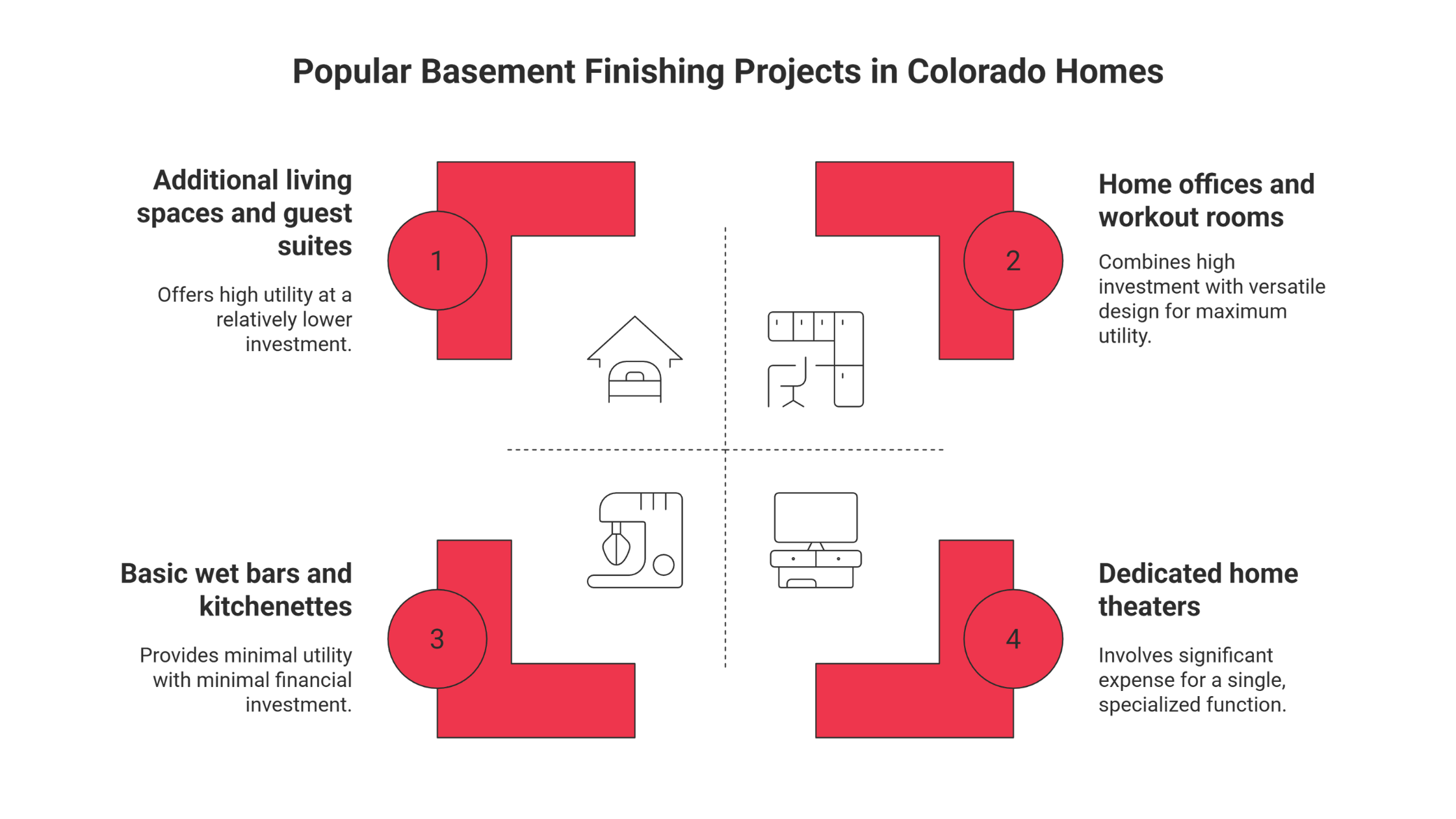
Popular Basement Finishing Projects in Colorado Homes
Multi-functional spaces lead basement finishing trends for 2025, reflecting homeowners’ desire to squeeze every bit of value from their square footage.According to NAHB data, basements represent 17% of all new constructionfoundation types nationally, withfinished basements averaging 940-1,119 square feetin northern regions. These versatile designs combine home gyms, offices, kids’ zones, guest suites, or entertainment hubs using flexible layouts and convertible furniture. For most Colorado basement finishing projects, the best designs combine multiple functions, guest suites, offices, and entertainment zones.
Additional Living Spaces and Guest Suites
Stylish guest suites transform basements into comfortable accommodations for visitors, offering privacy beyond traditional spare rooms. Colorado homeowners frequently add in-law suites to accommodate aging parents or adult children while maintaining household privacy. These projects typically include bedrooms with custom built-ins, full bathrooms with spa-like finishes, and premium fixtures.
Basement guest suites appeal strongly to buyers in competitive Colorado markets. The additional functional square footage justifies higher asking prices and reduces time on market. For homeowners considering whether to renovate before selling, guest suite additions consistently deliver strong returns.
Home Theaters and Entertainment Areas
Dedicated home theaters with advanced AV equipment remain top wish-list items across Colorado. These spaces incorporate surround sound systems, hidden projectors, tiered seating, integrated lighting, and smart home technology for immersive experiences.
Theater rooms require careful acoustic design, specialized electrical work for sophisticated AV systems, and creative lighting solutions. Professional basement contractors coordinate with AV specialists to ensure proper infrastructure installation during construction rather than retrofitting later.
Home Offices and Workout Rooms
Remote work’s continued prevalence drives demand for dedicated home offices with professional finishes, adequate lighting, and reliable technology infrastructure. These spaces need proper electrical outlets, internet connectivity, soundproofing for privacy, and ergonomic layouts supporting productivity.
Wellness-focused homeowners incorporate workout rooms with specialized flooring, mirrors, appropriate ventilation, and storage for equipment. The wellness retreat trend emphasizes natural materials, earth tones, and biophilic design elements that bring calming nature-inspired features into underground environments.
A 2022 Denver metro project shows what’s possible. A homeowner converted a damp crawl space into a functional wellness area. The team installed drainage matting, TerraBlock insulation, and CleanSpace vapor barriers to create a sealed, climate-controlled environment. Monthly energy bills dropped by 22%($56 savings), while the clean space provided safe storage and improved air quality throughout the home. The encapsulation also inherently supported radon mitigation by sealing potential entry points.
Wet Bars and Kitchenettes
Sophisticated wet bars with custom cabinetry, refrigeration, and wine storage become focal points for entertaining. These amenities range from simple beverage stations to elaborate setups rivaling full kitchens. Luxury wine rooms with temperature control and display features appeal to collectors and enthusiasts.
Full kitchenettes support long-term guests, multigenerational living arrangements, or potential ADU conversionif the basement includes separate exterior access.
Basement Finishing Costs in Colorado (2025 Pricing)
Understanding cost factors helps homeowners budget realistically and identify suspiciously low bids that signal cut corners or incomplete scope.
Cost Per Square Foot by Finish Level
Before starting Colorado basement finishing, understand that pricing varies widely, from $50 to $150 per square foot depending on complexity and materials.
Basic finishes($50-75 per square foot) include standard drywall, basic flooring like carpet or vinyl plank, builder-grade fixtures, minimal customization, and simple lighting.
Mid-range finishes($75-100 per square foot) incorporate upgraded flooring options, custom cabinetry in limited areas, modern fixtures and finishes, recessed lighting, and moderate customization.
High-end custom finishes($120-150+ per square foot) feature premium materials throughout, extensive custom millwork, designer fixtures and lighting, specialty finishes like coffered ceilings, integrated smart home technology, and wet bars or home theaters.
Finish Level | Cost Per Sq Ft | Typical Features | Best For |
Basic | $50-75 | Standard materials, minimal customization | Budget-conscious projects, rental units |
Mid-Range | $75-100 | Quality finishes, moderate customization | Most family homes, balanced value |
High-End | $120-150+ | Premium materials, extensive custom work | Luxury homes, showcase spaces |
Major Cost Factors and Budget Drivers
Project size directly impacts total cost but may reduce cost per square foot through economies of scale. Complexity drives costs significantly. Simple rectangular layouts cost less than designs with multiple rooms, custom features, or challenging configurations.
Existing condition affects budget considerably. Basements requiring significant moisture remediation, foundation repairs, or updating old systems before finishing cost more than those needing cosmetic upgrades only.
Material selection offers substantial cost variation. Homeowners can control budgets by choosing materials strategically, splurging on high-impact elements while economizing on less visible features.
Hidden Costs and Unexpected Expenses
Permit fees vary by jurisdiction and project scope. Budget $500-2,000 for combined building, electrical, plumbing, and mechanical permits depending on municipality and project complexity.
Egress window installation or enlargement represents significant expense if existing windows don’t meet code. Cutting through foundation walls, installing proper windows and wells, and ensuring code-compliant dimensions runs $3,000-8,000 per window depending on complexity.
Radon mitigation systems cost $800-2,500 for professional installation meeting ANSI/AARST standards. Required testing after finishing adds another $150-300.
HVAC upgrades may be necessary to properly heat and cool additional finished space. Extending existing systems or installing supplemental units costs $2,000-8,000 depending on basement size and existing system capacity.
Financing Options for Basement Projects
Home equity lines of credit (HELOC) offer flexible financing for basement projects, allowing homeowners to draw funds as needed and pay interest only on amounts used. Colorado’s strong real estate market provides most homeowners with substantialhome equityavailable for tapping.
Home equity loans provide lump-sum financing with fixed interest rates and predictable monthly payments. Cash-out refinancing replaces existing mortgages with larger loans, extracting equity for basement finishing while potentially securing better interest rates in favorable market conditions.
JROC Properties works with homeowners to understand financing options and develop basement finishing plans aligning with budgets and real estate investment strategies.
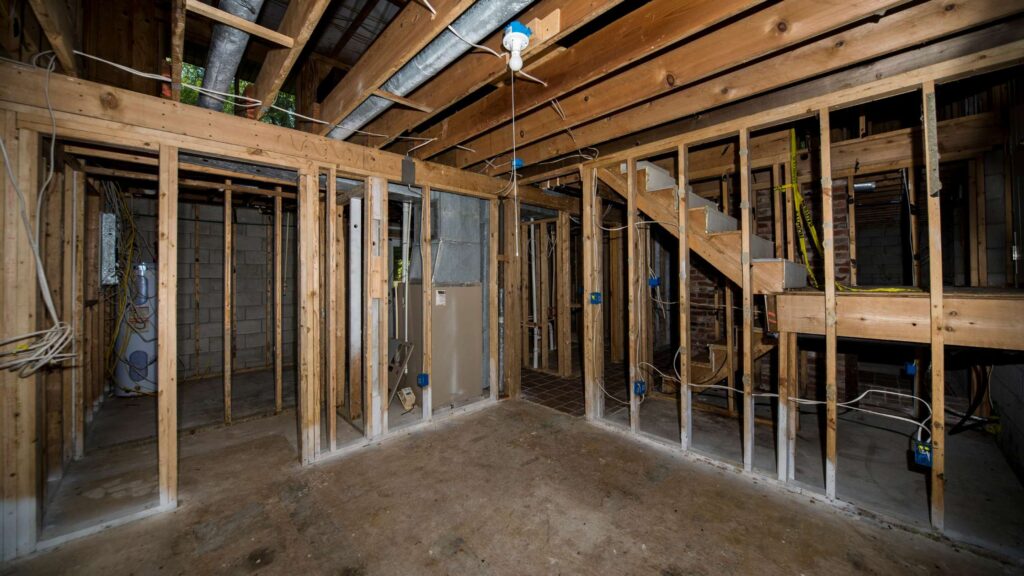
The Basement Finishing Process: Timeline and Stages
Average basement finishing projects take 4-8 weeks from design through completion, though larger or more complex spaces can stretch to 12 weeks. Understanding typical timelines helps homeowners plan accordingly and spot contractors promising unrealistic schedules.
Initial Consultation and Design Phase
This stage takes 1-2 weeks for basic projects, extending up to 4 weeks for complex designs. Initial consultations establish project scope, budget parameters, design preferences, and functional requirements. Contractors assess existing conditions, identify potential challenges, and discuss code compliance requirements.
Design development produces finalized floor plans, material selections, fixture specifications, and detailed scope documentation. This collaborative process prevents costly changes during construction.
Permits, Inspections, and Code Compliance
Homeowners must submit detailed floor plans and obtain separate permits for building, electrical, plumbing, and mechanical work. Structural modifications require additional structural permits. Permit acquisition takes 3-5 business days in most Colorado municipalities.
Required inspections occur at multiple stages: rough-in inspections verify framing, electrical, plumbing, and HVAC installation before covering walls; insulation and vapor barrier inspections ensure proper installation meeting energy codes; final inspections confirm all work complies with approved plans before issuing certificates of occupancy.
Professional basement finishing contractors in Denver and throughout Colorado handle permitting and coordinate inspections, keeping work moving smoothly without delays.
Construction Timeline: What to Expect
Framing takes 3-5 days for standard-size basements, though larger spaces or complex layouts may require a full week. Rough-in work for electrical, plumbing, and HVAC systems follows, typically eating up 1-2 weeks including coordination and inspections.
Insulation and drywall installation requires 5-10 days depending on basement size and finish complexity. Painting adds 2-3 days for most projects. Flooring installation takes 3-5 days based on material selection and subfloor preparation requirements.
Final touches including trim carpentry, fixture installation, and punch-list completion consume 3-5 days. Professional contractors conduct thorough walkthroughs identifying any items needing adjustment before final sign-off.
How to Evaluate and Compare Basement Contractors
Choosing the right partner for Colorado basement finishing prevents permit issues and ensures lasting quality. Thorough contractor evaluation protects your investment and increases project success likelihood. Apply consistent criteria when comparing basement contractors to identify the best fit for your project.
Essential Questions to Ask During Consultations
Experience and qualificationsquestions establish contractor competency. Ask how long they’ve operated as basement finishing contractors specifically, not just general remodeling experience. Request portfolios showing past projects similar in scope and complexity to yours. Verify proper licensing, insurance, and bonding through state contractor boards and local building departments.
Process and compliancequestions reveal professionalism. Confirm contractors will obtain all necessary permits and coordinate required inspections. Discuss their moisture management, ventilation, and insulation approaches specific to Colorado basements. Contractors who provide vague answers or suggest permits aren’t necessary should set off alarm bells.
Project managementquestions clarify communication and logistics. Establish estimated timelines and identify your main point of contact throughout the project. Understand what’s included in written estimates and how contractors handle scope changes or unexpected costs.
Warranty and servicequestions demonstrate contractor commitment. Ask about warranties or guarantees on their work, including what’s covered and duration. Clarify how service calls are handled post-completion.
Contractor Evaluation Scoring System
Use this weighted criteria framework to compare potential contractors objectively:
- License & Insurance Verification(25 points): Current licensing with your municipality, adequate liability coverage, workers’ compensation insurance if applicable
- Reference Quality(20 points): Three recent clients with similar projects, positive reviews across multiple platforms, willingness to show completed work
- Design Capability(15 points): Portfolio demonstrating style versatility, 3D visualization tools, collaborative design process
- Communication & Professionalism(15 points): Responsive during bidding, clear explanations, detailed written estimates
- Code Knowledge(15 points): Specific understanding of Colorado egress requirements, radon mitigation standards, moisture management
- Warranty Terms(10 points): Comprehensive coverage, clear claim process, reasonable response times
Contractors scoring below 70/100 should be eliminated from consideration. This systematic approach removes emotion from decision-making and ensures you select based on objective qualifications.
Common Mistakes and Red Flags Colorado Experts Identify
Colorado building professionals consistently cite several critical errors in basement finishing projects. ElkStone Basements warns:
“Overlooking these regulations can result in fines, forced project modifications, or issues when selling your home.”
The most common mistakes include:
Failing to comply with building codes and permits.Not obtaining proper permits or ignoring Colorado’s specific egress, fire safety, and insulation requirements leads to fines and resale complications.
Inadequate moisture control and waterproofing.Northern Colorado experts emphasize:
“Failing to address water intrusion, poor drainage, or insufficient waterproofing before finishing your basement is a recipe for mold, rot, and expensive repairs.”
Using incorrect materials.Regular drywall, wood flooring, and fiberglass insulation are prone to mold and deterioration in below-grade spaces. Professionals recommend:
“Materials commonly used on main floors may not perform well below ground due to temperature swings and humidity levels.”
Poor layout planning.Not accounting for HVAC access, plumbing lines, or support structures creates wasted space and difficult maintenance.
Hiring unqualified contractors.Castle Pines Construction notes:
“A reputable contractor can help navigate this process, ensuring your project complies with all regulations.”
Understanding Estimates and Contract Terms
Compare at least three detailed estimates to understand market rates and identify outliers. The lowest bid isn’t automatically best; ensure all estimates cover identical scope before comparing prices.
If bids vary by more than 30%, investigate what’s missing. Ask specifically about:
- Moisture barrier and waterproofing systems
- Egress window installation or enlargement
- Radon testing and potential mitigation
- HVAC capacity evaluation and upgrades
- Electrical panel capacity and circuit additions
- Permit fees and inspection coordination
Review contracts thoroughly before signing. Contracts should specify complete scope of work, specific materials and brands, project timeline with start and completion dates, payment schedule tied to milestones, change order procedures, warranty terms, and dispute resolution processes.

When NOT to Finish Your Basement
Even though Colorado basement finishing can add resale value, some conditions, like persistent flooding or insufficient ceiling height, make it unwise to proceed. While basement finishing offers substantial benefits, certain situations warrant reconsideration or delay:
Active water intrusion or foundation issues.If your basement experiences regular flooding, persistent dampness, or foundation cracks exceeding 1/4 inch, address these structural problems before finishing. Covering moisture issues with finished materials creates expensive remediation needs later and risks mold hazards.
Insufficient ceiling height.Colorado code requires 7-foot minimum ceiling heights for habitable spaces. If your basement has lower ceilings and lowering the floor isn’t feasible due to foundation depth or budget constraints, finishing may not be code-compliant or worthwhile.
Short-term ownership plans.If you plan to sell within 2 years in a market where finished basements don’t command significant premiums, you may not recoup finishing costs. Research comparable sales in your neighborhood to determine if finished basements justify the investment for your specific location.
Severely outdated electrical or plumbing systems.If finishing requires complete system replacement rather than extensions, costs may exceed the value added. Get thorough assessments before committing to projects requiring extensive infrastructure work.
Consider alternatives like partial finishing, storage optimization, or cosmetic improvements that provide benefits without full-scale remodeling commitments. A realistic perspective acknowledges when timing or conditions don’t favor major basement investments.
Making Your Final Contractor Selection in 2025
According to Remodeling Magazine’s 2024 Cost vs. Value data for the Mountain region , basement remodels recoup63-77% of costsat resale, with well-designed projects reaching 80% or higher in competitive Denver and Boulder markets. This strong return on investment, combined with immediate lifestyle benefits, makes basement finishing one of the most rewarding home improvement projects.
Professional credentials matter significantly when making final selections. Prioritize contractors certified by recognized organizations like NARI, demonstrating commitment to ongoing education and ethical standards. Verify licensing and insurance directly with state and local authorities.
Balance cost considerations with value indicators. The lowest bid rarely represents the best value when factoring quality, reliability, and long-term satisfaction. Compare bids ensuring identical scope coverage and understand reasons for significant cost differences.
Choose contractors whose communication style and working approach align with your preferences. Basement finishing involves ongoing interaction over weeks or months, making personal fit important for positive experiences.
Conclusion
Colorado basement finishing in 2025 demands specialized expertise addressing the state’s unique climate challenges, strict building codes, and radon mitigation requirements. Costs ranging from $50-150 per square foot vary based on finish level, project complexity, and existing conditions. The typical 4-8 week timeline progresses through design, permitting, construction, and final inspection stages requiring careful coordination.
Selecting the right contractor protects your investment and ensures quality results. Verify licensing and insurance, check references thoroughly, compare detailed written estimates, and trust your instincts about communication and professionalism. The strongest returns come from well-planned projects executed by qualified professionals who understand Colorado’s specific requirements.
JROC Properties brings comprehensive construction and remodeling expertise to basement finishing projects throughout Denver, Boulder, Colorado Springs, Fort Collins, and surrounding Front Range communities. Our local knowledge, commitment to quality, and customer-centered approach ensure your basement finishing project meets the highest standards while respecting your budget and timeline.Contact JROC Properties todayto discuss your basement finishing vision and receive a detailed consultation tailored to your needs.
Whether you’re maximizing home value before selling, creating additional living space for growing families, or exploringhouse hacking opportunitiesthrough basement apartments, professional guidance makes all the difference. Start your basement transformation with confidence by partnering with experienced Colorado contractors who deliver exceptional results.
JROC Properties combines remodeling expertise with real estate insight to help homeowners design safe, stylish, and high-ROI basements across Denver, Boulder, and the Front Range.Ready to turn unused space into value?Contact JROC Propertiesfor a detailed quote and custom design plan.