
Living in Loveland Colorado: A Local Guide
Living in Loveland Colorado: A Local Guide to the Sweetheart City
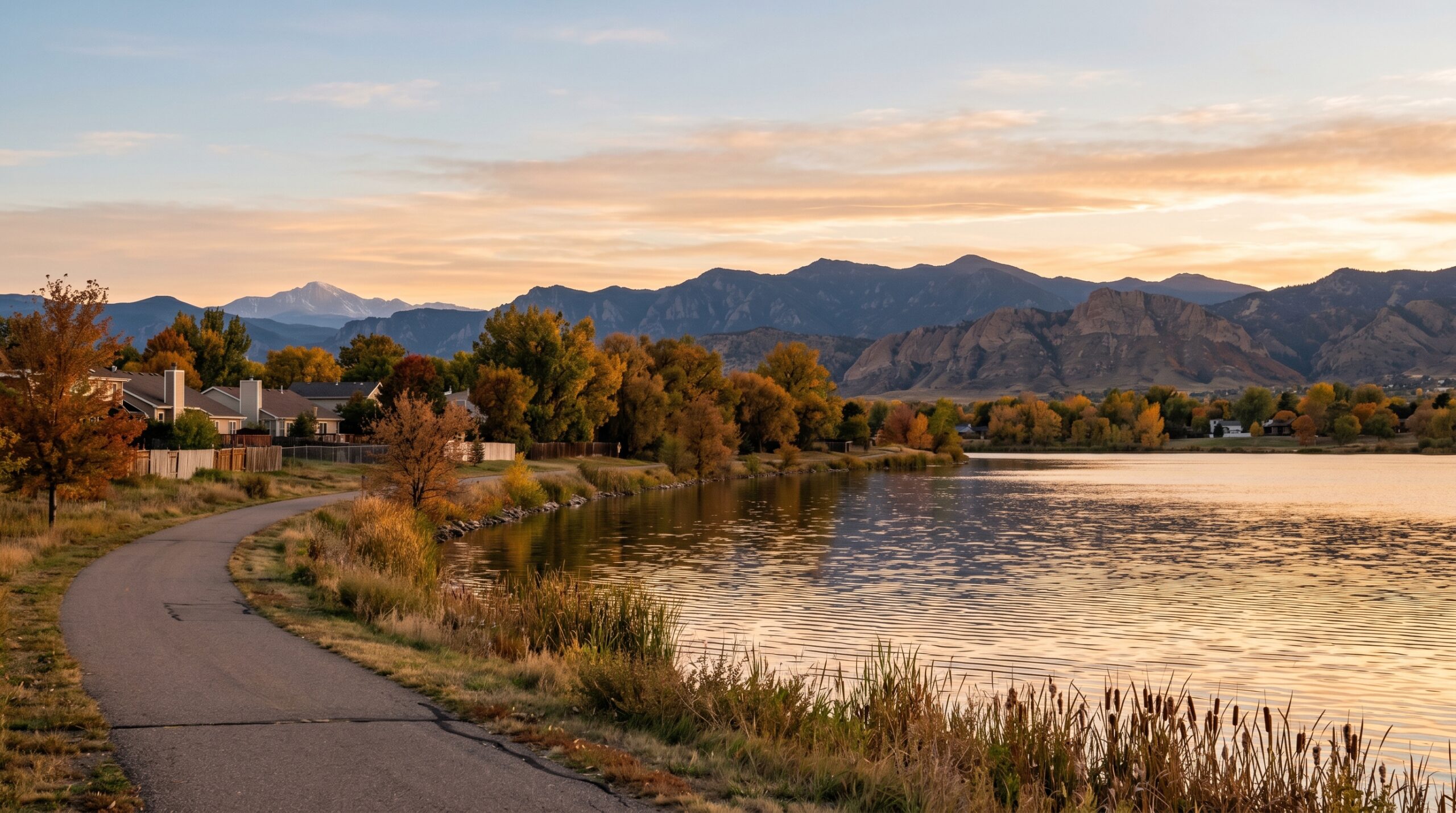
Living in Loveland in Colorado means waking up to Longs Peak views, biking to a downtown sculpture garden, and paying noticeably less for a similar home than you would in Boulder or Fort Collins. Loveland has quietly become one of the strongest value plays on the Front Range, drawing in remote workers, young families, and Northern Colorado natives who don’t want to leave the region. The team at JROC Properties works Loveland and the surrounding Northern Colorado markets daily and helps newcomers figure out exactly which neighborhood, school district, and price range fits how they actually live.
This guide covers what life in Loveland actually looks like: cost of living, the best neighborhoods, the real estate market, what there is to do, and the practical details newcomers ask about most.
Considering a move to Loveland?
The JROC Properties team can show you the Loveland neighborhoods that match your budget, commute, and lifestyle, with no pressure. → Book a quick call
TL;DR
Loveland sits between Fort Collins and Longmont along I-25, about an hour north of Denver. The median home price is mid-$500s, putting it well below Boulder and slightly below Fort Collins while delivering similar mountain access and a stronger arts identity. Schools are solid, traffic is light, and downtown has reinvented itself around galleries, breweries, and a working sculpture park. The trade-offs are summer hail, a smaller job market than Fort Collins, and a long commute if you work in Denver. For Northern Colorado buyers who want value plus quality of life, Loveland punches above its weight.
Key Points
- Loveland’s median home price is roughly $530,000 to $560,000 in spring 2026, well under Fort Collins and Boulder.
- Population of about 81,000 with steady growth driven by remote workers and Front Range relocations.
- Mountain access is excellent. Rocky Mountain National Park sits 30 minutes west via the Big Thompson Canyon.
- The arts identity is real. Loveland is one of the only US cities with a sculpture garden listed in its public park system.
- Top neighborhoods include Mariana Butte, Lakes at Centerra, Buckhorn Glen, and historic downtown.
- Commute to Denver is 50 to 70 minutes depending on traffic. Most Loveland residents work locally or in Fort Collins.
- JROC Properties works Loveland and Northern Colorado daily and matches buyers to the right pocket of the city.
Table of Contents
Why People Are Moving to Loveland Colorado
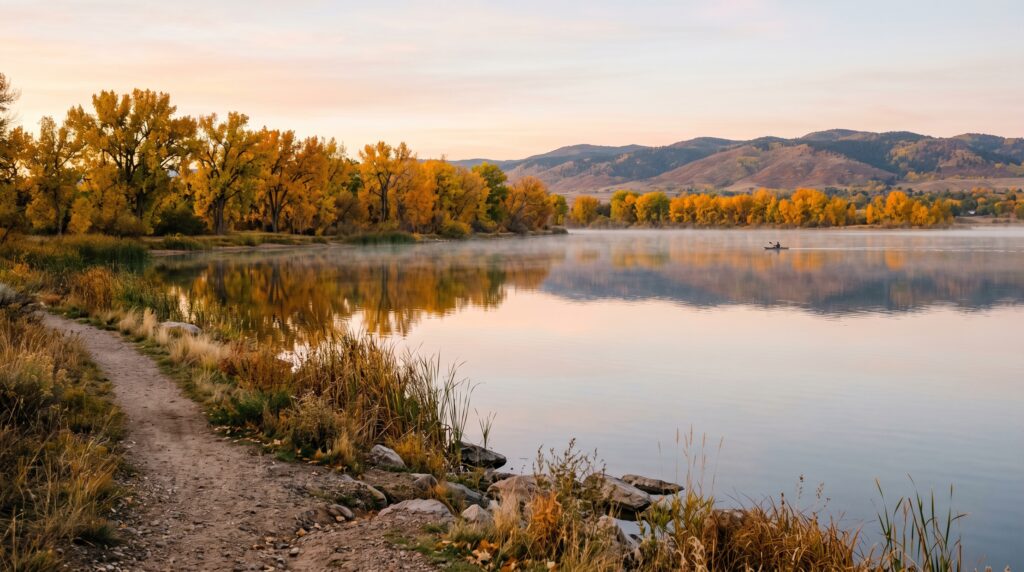
Loveland has been one of Northern Colorado’s quietly strong growth stories for the last decade. The official population sits around 81,000 according to the City of Loveland, up roughly 25% since 2010. The growth has come from three groups: remote workers leaving the Front Range corridor’s pricier cities, Fort Collins commuters who got priced out, and Denver families looking for more square footage closer to the mountains.
What sets Loveland apart from its Northern Colorado neighbors is a combination of price, identity, and access. You’re 15 minutes from Fort Collins, 35 minutes from Boulder, an hour from Denver, and a half hour from Estes Park. The schools are solid, the downtown has reinvented itself, and the cost of housing hasn’t yet caught up to what the lifestyle should command. That gap is closing, but for buyers paying attention now, it’s still a value play on the Front Range.
Cost of Living in Loveland Colorado
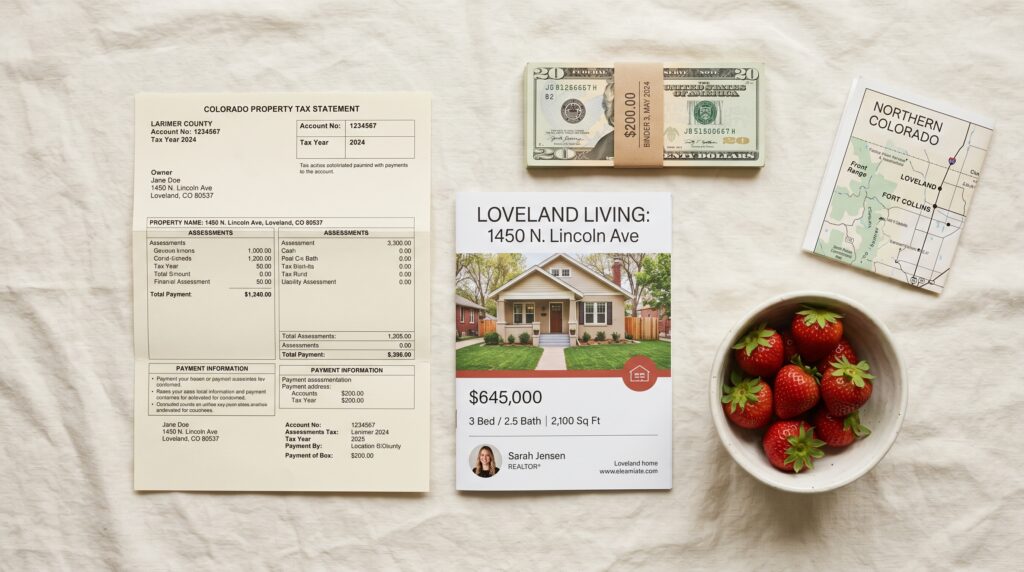
Loveland’s biggest advantage is housing affordability relative to the rest of Northern Colorado. Compared with Fort Collins, Boulder, or even Longmont, Loveland buyers get notably more square footage and yard space per dollar.
Here’s how Loveland stacks up on median home price against its Front Range peers.
Living in Loveland Colorado · Cost
Loveland sits below most Front Range peers
Median single-family home price compared with neighboring Front Range cities and the US median, spring 2026.
Loveland delivers similar mountain access and quality of life for noticeably less than Fort Collins or Boulder.
Sources: Local MLS, Larimer County Assessor, Realtor.com
Beyond housing, daily living costs in Loveland run about 5 to 8% above the national average, which is lower than most of Colorado’s larger cities. Groceries, utilities, and transportation are roughly in line with the US median. Property taxes are notably low: Colorado has one of the lowest effective property tax rates in the country, and Larimer County (where Loveland sits) sits below the state average. Combined with the lower entry price on housing, that gives Loveland homeowners more breathing room month to month than Fort Collins or Boulder homeowners on similar incomes.
If you’re modeling a Loveland purchase against other Front Range options, our guide on how much to save before buying a home in Colorado breaks down the full all-in target by loan type.
The Best Neighborhoods in Loveland
Loveland is bigger than newcomers expect. The city stretches roughly seven miles east to west, from the foothills above the Big Thompson down to flat farmland near I-25. Each pocket has a distinct feel and price point. These four come up most often in JROC’s conversations with Loveland buyers.
Mariana Butte
Western Loveland, built around the Mariana Butte Golf Course with foothills views and quick access to the Big Thompson Canyon. Larger lots, newer construction, and the strongest mountain backdrop of any Loveland neighborhood. Premium pricing for the area, typically $650,000 to $900,000 for a four-bedroom.
Lakes at Centerra
Eastern Loveland near I-25, a master-planned community built around walkable trails and small lakes. Mix of single-family homes, townhomes, and patio homes. Heavy with young professionals and remote workers who want easy interstate access to Fort Collins or Denver. Solid mid-range pricing in the $500,000 to $700,000 range.
Buckhorn Glen and West Loveland
Established neighborhoods on the west side of town, mostly built in the 1980s and 1990s. Mature trees, larger yards, and easier price points than newer construction. Strong fit for first-time buyers and downsizers who want walkability to downtown without paying downtown prices.
Historic Downtown Loveland
Older bungalows and Craftsman homes within walking distance of 4th Street’s restaurants, breweries, and galleries. Smaller lots and homes that often need updating, but you can’t beat the location for someone who wants to live the Loveland lifestyle daily. Pricing varies wildly based on condition, from $400,000 fixer-uppers to $700,000+ remodels.
Want to tour these neighborhoods in one afternoon?
The JROC Properties team knows every Loveland pocket and can line up showings across multiple neighborhoods in a single trip. → Reach out to get started

What There Is to Do in Loveland
Loveland punches well above its size on the arts and outdoor side. Benson Sculpture Garden is the city’s signature, with over 175 sculptures spread across a working public park, and the annual Sculpture in the Park show every August draws collectors and artists from across the country.
On the outdoor side, Boyd Lake State Park is in the city limits and offers swimming, kayaking, and miles of trails. Devil’s Backbone Open Space sits on the western edge of town with red-rock hiking that rivals any in Northern Colorado. The Big Thompson Canyon climbs up to Estes Park and Rocky Mountain National Park inside 45 minutes from downtown.
Downtown Loveland has been working through a steady rebrand from sleepy old town into a destination. Fourth Street has filled in with breweries (Verboten, Big Beaver, Loveland Aleworks among them), restaurants, art galleries, and a Friday night gallery walk that runs second Friday each month. The annual Valentine remailing program, where the city’s post office hand-stamps Valentine’s Day cards from around the world with a Loveland postmark, is a quirky tradition that still pulls 150,000+ pieces of mail each February.
The Loveland Real Estate Market
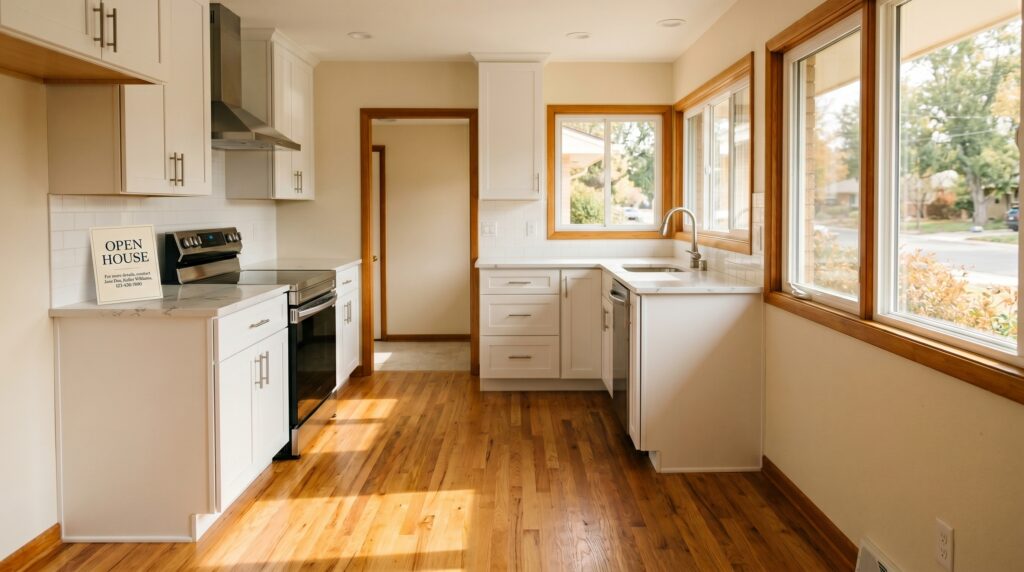
Loveland’s market in 2026 sits in a healthier balance than Boulder or Fort Collins. Median sale prices have climbed steadily but not at the breakneck pace seen further south on the Front Range. Days on market typically run 30 to 50 days for well-priced homes, giving buyers room to inspect and negotiate without losing every offer to a competing bid the same afternoon.
New construction is heavy on the east side of town, particularly in the Centerra area, while infill remodels dominate the west and downtown. Inventory tends to peak in late spring and early summer. Mortgage rates and Front Range affordability pressure mean serious buyers are still showing up, but with more leverage than they had during the 2021-2022 frenzy. For buyers comparing Loveland to other Northern Colorado options, our Northern Colorado real estate trends guide walks through the data points worth tracking.
First-time Loveland buyers should look hard at Colorado down payment assistance programs and Colorado home loan options before assuming a 20% down payment is required. CHFA and FHA combinations get many Loveland buyers into homes with under $25,000 saved.
Top 5 Things to Know Before Moving to Loveland
These come up in nearly every newcomer conversation. Worth knowing before you sign.
- Hail is a real expense. Loveland sits in one of the most active hail belts in the country. Plan on roof and car insurance premiums roughly 15 to 25% higher than the US average.
- It’s not Fort Collins. The two cities feel similar from a distance but live differently day to day. Loveland is quieter, more arts-leaning, and less college-town. If you want CSU energy, Fort Collins is the call.
- The commute matters more than you think. If you’re working in Denver, plan on 50 to 70 minutes each way. Most Loveland residents work in town or in Fort Collins. Our moving to Colorado guide digs into commute realities across the Front Range.
- Foothills versus flatland is a real choice. Western Loveland sits up against the foothills with views and slightly cooler summers. Eastern Loveland is flat farmland-adjacent with newer construction and easier I-25 access. The two halves of the city attract different buyers.
- Schools vary by district line. Most of Loveland is in Thompson School District (R2-J), which is generally well-rated, but specific schools vary. Confirm the school assignment for any home before you write an offer.
FAQs About Living in Loveland Colorado
Is Loveland a good place to live?
For most newcomers, yes. The city offers strong Northern Colorado quality of life at a meaningfully lower price point than Boulder or Fort Collins, with quick mountain access, solid schools, and a real arts identity. The trade-offs are weather (hail), a smaller job market than Fort Collins, and a long commute if you work in Denver. For remote workers, retirees, and Northern Colorado locals, Loveland is one of the strongest value plays on the Front Range.
How much money do you need to live comfortably in Loveland?
A household income of $85,000 to $110,000 supports a comfortable life in Loveland for a family of three or four, including a home in the $500,000 to $600,000 range, one car payment, modest savings, and reasonable discretionary spending. Single residents can manage on $55,000 to $70,000 with a townhome or condo. These numbers run noticeably below what the same lifestyle costs in Boulder or Denver.
What is the cost of housing in Loveland Colorado?
Median single-family home prices in Loveland sit in the $530,000 to $560,000 range as of spring 2026, with townhomes and condos starting in the high $300,000s. Rent for a 2-bedroom apartment runs $1,700 to $2,100. The Loveland Chamber of Commerce publishes annual cost-of-living comparisons that are worth reviewing if you’re relocating from out of state.
Is Loveland Colorado safe?
Yes, by Colorado standards. Loveland’s overall crime rate runs noticeably below the national average and is among the safer mid-sized cities in the state. Property crime tracks closer to the US average. Specific safety profiles vary by neighborhood, with the more established western and central neighborhoods generally rating safer than parts of the older eastern side near the I-25 corridor.
Conclusion
Living in Loveland in Colorado offers a genuine middle path on the Front Range: real mountain access, strong schools, an arts identity that punches above its size, and a price tag that hasn’t yet caught up to the lifestyle. For Northern Colorado buyers, Loveland is one of the highest-value places to plant roots. For newcomers, it’s worth a serious look against Fort Collins, Longmont, and the Denver metro before defaulting to a more expensive option.
Founded by Jami and Rocco Montana, JROC Properties brings real estate expertise and residential construction knowledge together under one roof. Serving Boulder County, Denver, Longmont, and Northern Colorado, JROC helps Loveland buyers and sellers navigate every neighborhood, school district, and price band in the city. When you’re ready to turn a Loveland search into a closing, the JROC team is a call away.
Find your fit in Loveland Colorado.
Work with the JROC Properties team to tour Loveland neighborhoods, model your real costs, and find the home that matches how you actually live. → Start your Loveland search