
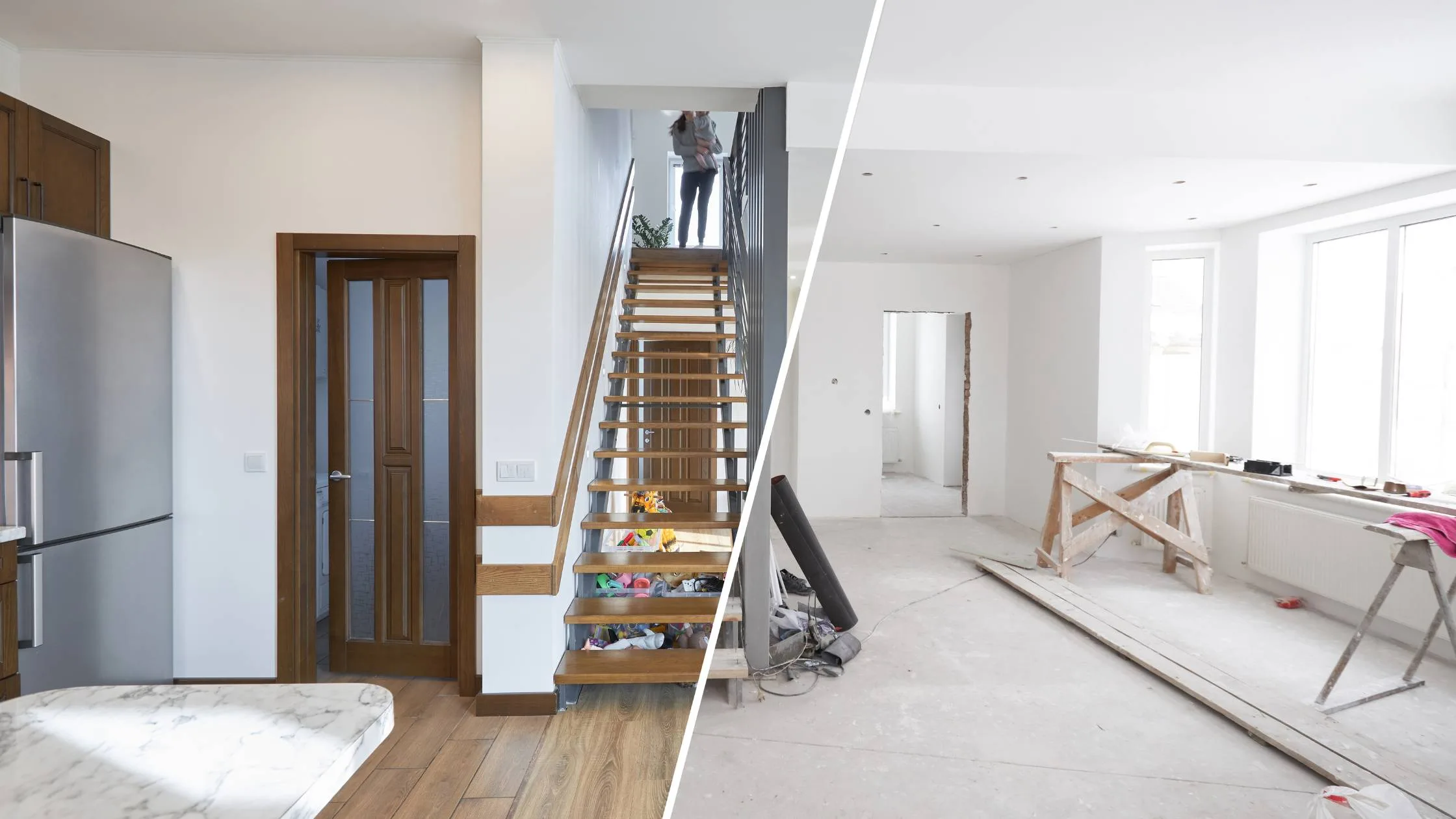
Home Renovation Denver – How to Plan For It
Transforming your Denver home starts with finding the right partner who understands both your vision and the unique demands of Colorado’s Front Range market. Whether you’re updating a historic Capitol Hill bungalow or modernizing a midcentury ranch in Park Hill, the renovation approach you choose will shape everything from timeline to final results.
Denver contractors and building officials describe four main renovation challenges tied to altitude, severe weather, and older housing stock. Mechanical systems must be sized for thin air, hail-resistant roofing is essentially mandatory along the Front Range, and many pre-1970 homes require structural engineering sign-off for major work. These aren’t obstacles. They’re opportunities to create homes that perform better and last longer in Denver’s demanding climate.
Timeline, budget, final craftsmanship, long-term satisfaction – it all comes down to this choice. JROC Properties brings deep Colorado market expertise and a network of trusted renovation professionals to guide Denver homeowners through every phase of their home improvement journey.
TL;DR
Home renovation Denver projects work best when you treat them like investments, not quick fixes. Success depends on choosing a design build team that understands altitude, hail, older homes, and current codes, then aligning your scope, budget, and timeline with what is realistic for your property.
Key Points
- Home renovation Denver projects face unique challenges from altitude, hail, clay soils, and evolving energy codes.
- Design build firms simplify projects by handling design, permitting, and construction under one contract.
- Typical renovation costs range from five figure kitchen or bath updates to six figure whole home remodels and additions.
- Timelines often run many months once design, permitting, and construction are combined, especially for additions and whole house work.
- ROI is highest for curb appeal upgrades and strategic kitchen and bath updates, with whole home projects paying off over longer horizons.
- Smart financing, clear scope, and a vetted home renovation contractor Denver reduce risk and surprise costs.
- Work With William helps renovation contractors in Denver turn this expertise into content and SEO that brings in better leads.
Table of Contents
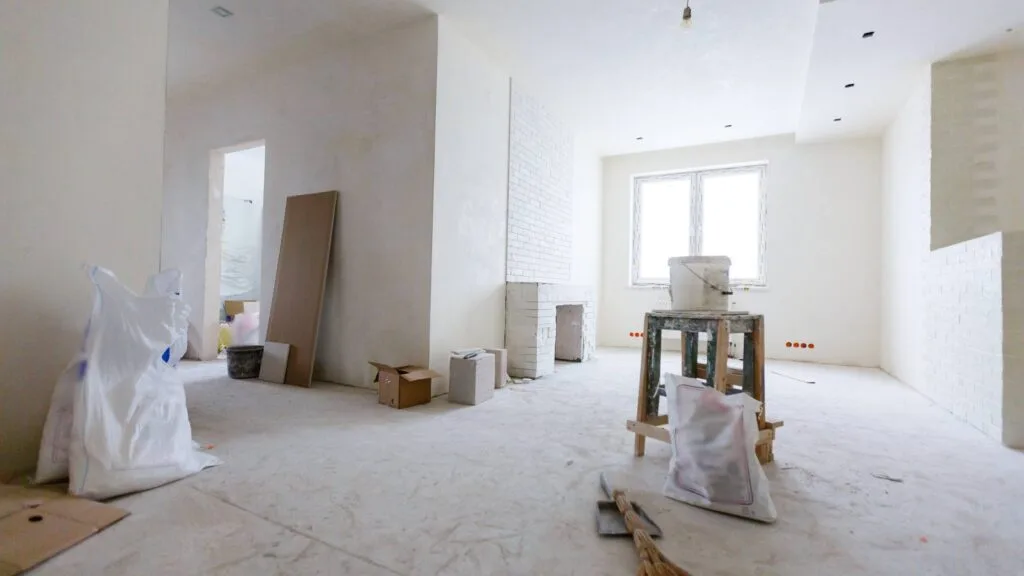
Why Denver Homeowners Choose Design-Build for Renovations
Design-build Denver firms handle both design and construction under one contract, eliminating the coordination headaches that plague traditional architect-then-contractor projects. You work with a single team from concept through completion. This means fewer miscommunications, faster decisions, and one point of accountability when questions arise.
This matters especially in Denver, where altitude adjustments, historic district rules, and rapidly evolving energy codes require constant coordination between designers, engineers, and trades. Design-build firms already have those relationships in place and understand how local regulations affect what you can actually build.
The Design-Build Advantage Over Traditional Remodeling
Traditional remodeling splits design and construction into separate contracts. You hire an architect to draw plans, then solicit bids from general contractors who may or may not understand the designer’s intent. Change orders multiply when builders discover the design didn’t account for existing conditions or when homeowners want adjustments mid-project but the architect is no longer actively involved.
Design-build collapses that timeline. Your design team knows construction costs in real time and can adjust plans before you’re locked into expensive decisions. Material selections happen alongside design development rather than as an afterthought, so lead times get baked into the schedule from day one. Because the builder is at the table during design, you avoid the “we can’t actually build that” conversations that derail traditional projects.
Denver design-build firms typically maintain relationships with specialty suppliers and trades who understand local requirements. Altitude-rated HVAC equipment, impact-resistant roofing materials, and engineers familiar with Denver’s soil conditions and foundation challenges. That network translates to better pricing, reliable timelines, and fewer surprises during construction.
Denver’s Unique Renovation Challenges and Opportunities
At roughly 5,280 feet, lower air density fundamentally changes how mechanical systems perform. High-efficiency furnaces, water heaters, and fireplaces typically need altitude-specific orifice kits, derating, and manufacturer-approved venting layouts to prevent incomplete combustion and back-drafting. Many older brick homes require abandoning original masonry flues in favor of new sidewall vents integrated into rear or alley elevations. This satisfies both performance standards and historic-character concerns.
Ventilation challenges compound when only portions of older homes get air-sealed during partial remodels. Taller Denver homes with leaky pre-1970 envelopes can experience exaggerated stack effect once renovations tighten the building envelope. Contractors often address this by pairing air-sealing with dedicated make-up air, range-hood venting sized for altitude, and balanced exhaust systems so combustion appliances continue operating safely after envelope upgrades.
Frequent large hail drives Denver officials toward Class 4 impact-resistant roofing and stricter roof-assembly details. Integrating new impact-rated roofs with aging framing often triggers required upgrades to sheathing, underlayment, and drainage systems, which can surprise homeowners budgeting for a simple reroof.
Expansive clay soils and variable fill beneath older homes create the most persistent structural challenges. Many pre-1970 basements feature unreinforced concrete or masonry, shallow footings, and minimal drainage. Decades of seasonal moisture cycles cause differential movement, cracks, and interior sloping. Solutions typically begin with geotechnical studies, followed by underpinning or adding interior helical piers, installing new grade beams, and improving perimeter drainage to stabilize moisture at the foundation line. Engineers often design these repairs for interior installation to preserve historic exteriors and avoid disturbing narrow side yards.
Denver’s adoption of updated Building & Fire Code provisions, including electrification and energy requirements taking effect after 2023, means substantial renovations now trigger requirements for higher-efficiency equipment, electric-ready service, and tighter building envelopes. Additions and conversions must satisfy both zoning rules and newer energy and fire provisions, so design choices that worked a decade ago may now require redesign or phased upgrades.
Comprehensive Home Renovation Services in Denver
Home remodelers Denver offer services spanning single-room updates to whole-house transformations. The scope you choose depends on your goals, budget, and how long you plan to stay in the home.
Kitchen Remodeling
Kitchen remodels in Denver typically run $25,000–$85,000, with basic projects starting in the mid-$20,000s and higher-end work commonly reaching $45,000–$80,000+. That range reflects everything from cabinet refacing and appliance swaps to full layout changes with structural modifications, custom cabinetry, and premium countertops.
Open-concept layouts remain popular, removing walls between kitchen and living areas to improve flow and social interaction. This often requires engineering to install beams and redistribute loads, especially in older homes where original framing wasn’t designed for large openings. On pre-1970 projects, opening walls frequently reveals undersized dimensional lumber, balloon framing, or non-engineered headers that don’t satisfy current structural and lateral-load requirements. Structural teams typically respond by designing new LVL or steel beams with properly detailed posts and footings, adding hold-downs and shear wall segments, often hidden within existing walls to preserve historic interiors.
Material selections drive cost as much as layout complexity. Quartz and natural stone counters, custom or semi-custom cabinetry with soft-close hardware, and luxury vinyl or hardwood flooring create different price tiers within the same footprint. Denver’s dry climate and UV exposure favor durable finishes that won’t fade or crack, so material discussions should include long-term performance alongside aesthetics.
Bathroom Renovations
Professional bathroom remodels cluster around $12,000–$50,000, from smaller secondary baths on the low end to primary suites with layout changes and high-end fixtures at the upper end. Walk-in showers with frameless glass, soaking tubs, heated floors, and custom vanities are increasingly expected in primary bathrooms, while powder rooms and hall baths focus on maximizing storage and style within compact footprints.
Moisture management is critical in Denver’s dry climate with occasional heavy humidity from spring storms. Proper exhaust ventilation, waterproofing, and vapor barriers prevent mold and ensure finishes last. Upgrading old cast-iron or galvanized plumbing during bathroom renovations can avoid future leaks and improve water pressure throughout the house.
Many Denver homeowners add spa-like features during renovations. Steam showers, towel warmers, smart mirrors with integrated lighting as part of broader aging-in-place strategies. Curbless showers, grab bars integrated into design elements, and adjustable-height fixtures make bathrooms safer and more comfortable for all ages without sacrificing style.
Whole Home Remodels
Whole-home renovations in Denver range from $100–$400+ per square foot, with light cosmetic work at the low end and gut-level reconstruction with major system upgrades at the high end. These projects allow you to reimagine your entire living space, addressing layout, finishes, systems, and often structural deficiencies all at once.
Scope typically includes kitchen and bathroom remodels, new flooring and paint throughout, updated electrical and plumbing, HVAC replacement or zoning, new windows and doors, and often roof and exterior work. Pre-1970 projects routinely encounter lead paint, asbestos-containing materials, and obsolete electrical systems like knob-and-tube or ungrounded circuits, all requiring compliance with current Colorado and federal requirements when disturbed. Contractors often stage abatement and rewiring work zone by zone to limit displacement while upgrading to grounded circuits and larger service panels sized for modern loads.
Living off-site during construction is common for extensive whole-home renovations, so factor temporary housing or rental costs into your budget. Projects of this scale usually run four to nine months, depending on size, scope, and permit complexity.
Home Additions and Expansions
Single-room or multi-room additions are commonly estimated at $200–$400 per square foot for budget to mid-range work and $400–$600+ per square foot for complex, higher-end additions such as second stories. These projects add square footage without relocating, accommodating growing families or creating dedicated spaces for home offices, gyms, or guest suites.
Zoning and bulk plane regulations limit what you can build on many Denver lots. Setback requirements, height restrictions, and lot coverage maximums vary by neighborhood, and historic districts impose additional constraints on massing and exterior appearance. Early feasibility analysis (ideally before you commit to design fees) helps avoid costly redesigns when zoning or variance issues surface.
Foundation work for additions requires both structural and often geotechnical engineering, especially on older homes with marginal existing foundations. Where excavation reveals expansive clay or variable fill, engineers may specify underpinning the original foundation or installing helical piers to prevent future settling. Structural teams often create a clear “old vs. new” structural break so existing non-conforming conditions can remain largely untouched while new work fully meets current code.
Basement Finishing and Conversions
Basement finishing typically falls around $35–$150+ per square foot, with most mid-range projects in the $65–$95 range. Transforming unfinished basements into usable living space (whether family rooms, home theaters, additional bedrooms, or rental units) delivers some of the best cost-per-square-foot returns in Denver renovations.
Moisture control is paramount. Denver’s clay soils and variable water tables require proper drainage, waterproofing, and vapor barriers. Egress windows are mandatory for any basement bedroom under current code, so factor both window wells and structural openings into your budget if you’re adding sleeping areas.
Existing basement slabs in pre-1970 homes are frequently thin, unreinforced, and below modern frost and moisture standards. Where headroom is marginal, contractors may temporarily support the structure, remove the old slab, over-excavate and install new sub-drainage and vapor barriers, then pour a new, thicker, reinforced slab with perimeter drains tied to a sump. This gains code-compliant ceiling height without raising the historic roof or altering primary facades.
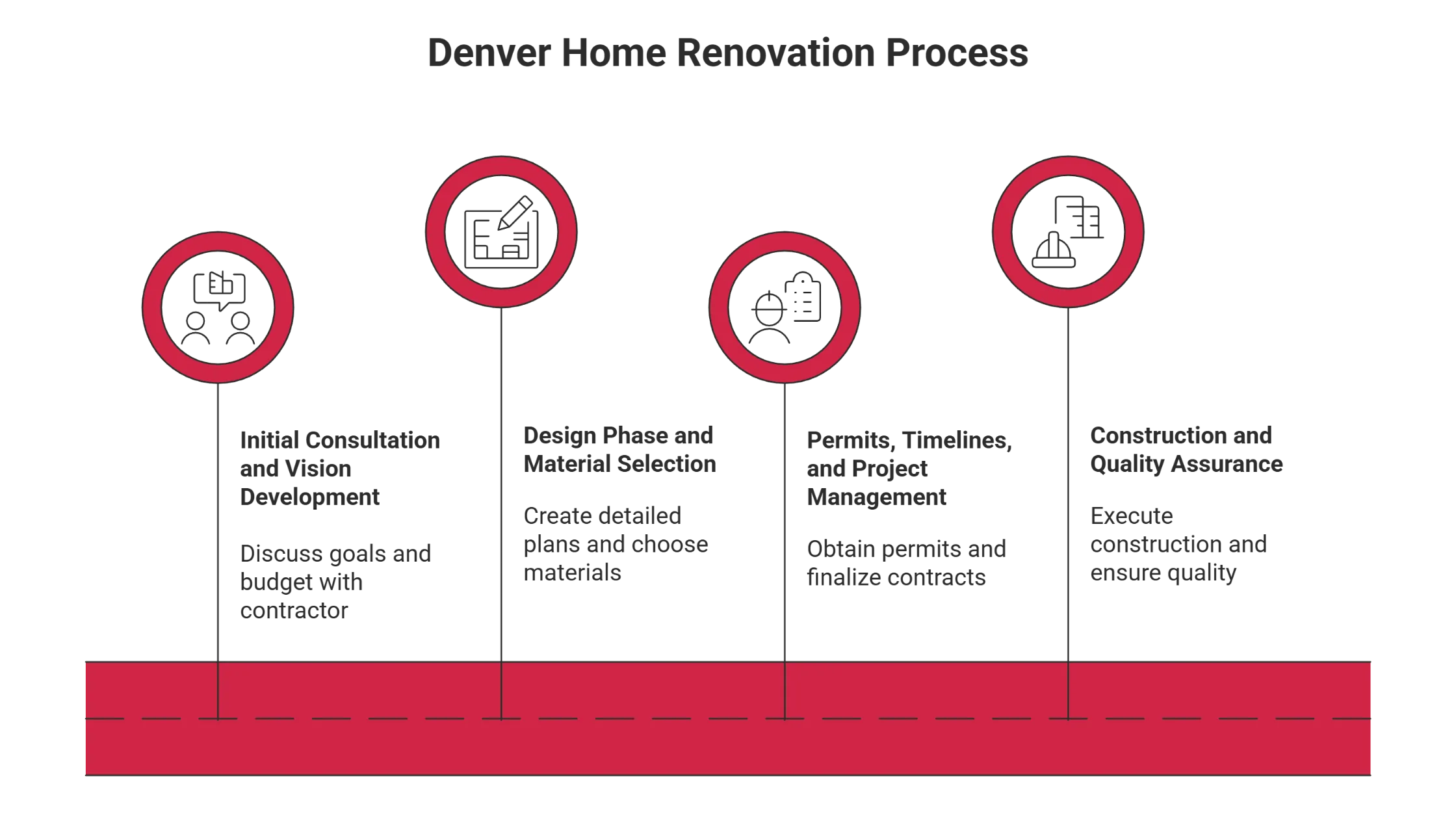
The Denver Home Renovation Process: What to Expect
Residential design-build renovations typically move through five to six major phases over roughly eight to 18 months for substantial interior remodels or additions, with shorter timelines for single-room projects. Understanding this progression (and where Denver-specific challenges affect timelines) helps you plan around disruptions and know what decisions are coming.
Initial Consultation and Vision Development
Discovery takes two to six weeks for most remodels and up to eight weeks for large additions or whole-house work. You submit an inquiry, schedule a discovery call to discuss goals and rough budget, then meet on-site for a detailed walk-through. The contractor assesses feasibility, flags potential challenges like structural concerns or permit complications, and provides a preliminary budget range to test whether your vision aligns with your investment capacity.
This phase ends with a proposal outlining design services, deliverables, timelines, and fee structure. Signing a design agreement and paying a retainer starts formal design work. Be candid about your must-haves versus nice-to-haves during discovery. It’s far easier to adjust scope now than after design dollars are spent.
Design Phase and Material Selection
Concept design and budget alignment typically take four to 10 weeks. Your team creates as-built measurements, develops one to two layout options, conducts preliminary structural review, and runs rough construction budgets to confirm your preferred concept fits within target investment. Multiple review meetings (in-person or virtual) let you give feedback and make adjustments before moving deeper into details.
Design development runs eight to 16 weeks for most projects, though indecisive clients or complex scopes can stretch to 20-plus weeks. This phase produces detailed floor plans, elevations, engineering coordination, and comprehensive selections for cabinets, counters, tile, flooring, plumbing and lighting fixtures, appliances, and finishes. You’ll likely visit showrooms, review digital mood boards, and work with a selections coordinator to lock in products and receive progressive pricing updates.
The phase closes when design drawings and specifications are approved and “frozen” for construction pricing. Changes after this point trigger change orders and potential delays, so take time to get selections right before signing off.
Permits, Timelines, and Project Management
Preconstruction (permits, procurement, and final contracts) takes four to 10 weeks, with permitting alone consuming significantly more time than many homeowners expect. Denver’s current residential permit timelines vary substantially by project complexity.
Simple kitchen remodels that qualify for over-the-counter or fast-track review can sometimes clear in a few weeks if plans are clean. More complex kitchens involving structural changes or significant electrical and plumbing work typically average three to four months from first submittal to approval once customer response time is included.
Additions expanding footprint, adding stories, or creating ADUs usually fall under “major residential” and are where Denver has had the biggest backlog. Combined city-plus-customer times average roughly 9–12 months, with some projects extending beyond a year when zoning, utility, or site-development reviews become complex.
Whole-home remodels and custom homes sit at the long end of the spectrum, with recent data showing averages just under a year, reflecting multiple review cycles and coordination across several departments. Denver’s centralized permitting office now targets completing most reviews within roughly 180 days of city review time, but real-world “door-to-door” timelines usually exceed that target because they include time owners and designers spend revising drawings after comments and re-submitting.
What causes delays: Incomplete drawings, missing engineering for beams or foundation changes, or unclear scope almost always trigger multiple review cycles. Projects that push height, lot coverage, parking, or setback limits often need extra zoning review. Multi-agency coordination (fire, transportation, public health) can stall approvals until conflicting comments between departments are resolved.
How to speed approval: Invest in complete, professional plans from firms that routinely work in Denver and know current code and submittal checklists. Align early with zoning and code changes before design goes too far. When the city issues review comments, turn around a consolidated, well-documented response rather than piecemeal fixes to keep the project inside targeted review windows.
During this phase, you’ll also have a preconstruction meeting to review final scope, drawings, schedule, and site logistics; sign a construction agreement with payment milestones; and confirm a realistic start date. Long-lead items like custom cabinetry or specialty fixtures get ordered now so they arrive when needed during construction.
Construction and Quality Assurance
Construction duration varies widely: light kitchen or bath remodels take roughly six to 12 weeks, larger kitchen or main-level remodels run three to six months, and major additions or multi-room renovations span four to nine-plus months depending on structural work and inspection cycles.
Your project manager conducts weekly or biweekly check-ins, provides inspection milestone updates, and handles progress billing. Mid-project walk-throughs let you see work in progress and address any issues before finishes conceal framing and systems. As work nears completion, you’ll conduct a near-completion walk-through to generate a punch list of final touch-ups and corrections before formal handover.
Quality assurance happens continuously. Contractors conduct internal checks at key milestones to ensure work matches drawings and specifications. Required inspections (framing, plumbing, electrical, mechanical, final building) keep the project compliant with Denver code, and your contractor coordinates these directly with city inspectors.
Understanding Your Home Renovation Investment
Renovation costs in Denver reflect local labor rates, material availability, and the specific demands of altitude, weather, and older housing stock. Breaking down where money goes and how to maximize returns helps you make informed scope and budget decisions.
Cost Factors Specific to Denver Market
Denver’s tight labor market and geographic remoteness from major manufacturing centers push costs higher than many comparable metros. Skilled trades (framers, electricians, plumbers, finish carpenters) command premium wages, especially when projects require specialty knowledge like high-altitude HVAC sizing or historic preservation techniques.
Material delivery times and costs also reflect Denver’s location. Most building products ship from coastal distribution hubs, adding freight expense and lead time. Supply-chain disruptions that barely register in manufacturing centers can cause significant delays in Denver, so contractors often order early and carry higher contingency buffers.
Permitting and engineering fees specific to Denver add thousands to project costs. Full structural review, geotechnical reports for additions or foundation work, and compliance with Denver’s evolving energy and electrification standards all require professional services that weren’t part of the equation a decade ago.
How to Maximize Your Renovation ROI
A 2024–2025 Denver-focused analysis reports garage door replacement averaging about a 190%+ ROI in Denver, far above the national average, attributed to relatively low cost, strong curb-appeal impact, and energy-efficiency gains in Colorado’s climate. Steel entry door replacements show near 188% ROI in Denver, while national data shows new steel front doors at around 100% cost recovery.
Minor kitchen remodels deliver roughly 95–100% ROI in Denver, while major kitchen overhauls drop to around 50% ROI. This pattern suggests strategic, focused updates (refreshing cabinets, upgrading appliances and counters, improving lighting) return more value than gut renovations unless your existing kitchen is truly dysfunctional.
Recent summaries show refinishing existing hardwood floors with about 140%–150% ROI and installing new wood flooring with around 115%+ ROI in typical markets. Denver and Colorado agents highlight these upgrades as particularly attractive in older homes and competitive neighborhoods.
Fiber-cement siding shows 80%+ ROI and full-home vinyl window replacement falls in the 65–75% ROI range in Denver and nearby mountain communities. While these projects may not top the ROI list, they materially improve perceived quality, reduce utility costs, and help listings stand out in sustainability-minded buyer pools.
These ROI figures assume you’re selling within 3–5 years in a stable market. If you’re planning to stay 10+ years, prioritize comfort and energy efficiency over pure resale value. Focus ROI thinking on three buckets: curb appeal and entry points deliver the highest returns for lowest investment; strategic kitchen and bath updates that preserve layout while modernizing finishes and function come next; and whole-house systems or major additions only pencil when you’re planning to stay long-term or your home significantly underperforms the neighborhood.
For a deeper look at how improvements translate into market value during resale, explore our home improvement ROI consulting page to understand which upgrades produce measurable gains.
Financing Options and Budget Planning
For mid- to large projects, equity-backed products typically offer the best terms. Home equity loans provide fixed rates and predictable payments over 10 to 30 years, suitable for well-scoped renovations with clear budgets. HELOCs work better for phased projects or uncertain scope where you draw funds as needed and pay interest only on what you use, though be prepared for rate fluctuations.
Cash-out refinancing makes sense only if the new mortgage rate is similar to or lower than your current rate, your equity is strong (often requiring 20%+ post-closing), and your renovation budget is large enough to justify closing costs. Model the all-in cost over the full mortgage term and stress-test your budget against job loss or higher insurance and property tax bills after the renovation.
Government-backed renovation mortgages like FHA 203(k) or Fannie Mae HomeStyle roll purchase and construction costs into a single loan tied to the home’s after-renovation value. These can allow lower down payments and more flexible credit than conventional equity products, but funds release in stages, contractor oversight is stricter, and documentation requirements are more extensive.
Before borrowing, get at least two to three itemized contractor bids and lock scope in writing. Build a 10%–20% contingency into your budget for overruns, funded either from savings or unused credit capacity. Phase optional work, prioritize structural and safety items first, and align loan terms so the payoff horizon doesn’t exceed the expected life of the improvements.

How to Choose the Right Denver Renovation Contractor
Selecting a home renovation contractor Denver involves verifying credentials, asking pointed questions during consultations, and watching for warning signs that signal potential problems.
Working with experienced local professionals who understand neighborhood-specific requirements, preservation guidelines, and Denver’s permitting processes protects your investment and reduces stress throughout the project. JROC Properties brings deep Colorado market expertise to guide homeowners through strategic improvement decisions that strengthen your home’s market position in one of the nation’s most competitive real estate markets.
Essential Credentials and Certifications
Any company or individual acting as a residential general contractor in Denver must hold an appropriate Denver contractor license (typically Class C for residential work) issued by Denver’s Community Planning & Development. Ask contractors for their Denver contractor license number and business name exactly as licensed. Use Denver’s online permitting and licensing portal or call CPD Contractor Licensing to confirm the license is active, the class allows residential work, and there are no holds or suspensions.
Electrical and plumbing work anywhere in Colorado requires proper state licensing through the Department of Regulatory Agencies. Denver home renovation contractors must prove current State of Colorado Electrical Contractor or Plumbing Contractor credentials with a Master license holder. Obtain the contractor’s Colorado license numbers and the Master’s credentials, then use DORA’s online license lookup to confirm both the company and the master’s licenses are active, in good standing, and cover your project period.
Colorado local building departments, including Denver, require contractors to maintain general liability insurance and workers’ compensation coverage where applicable. Request a current Certificate of Insurance showing general liability limits, effective dates, and workers’ compensation policy if the contractor has employees. The insured business name must match exactly the name on the Denver license. Call the insurance agent or carrier to confirm policies are active and not subject to imminent cancellation.
Questions to Ask During Consultations
Prepare a list of questions to assess experience, approach, and compatibility. Ask how many projects of similar scope and budget the contractor has completed in the past year, particularly in your neighborhood or with your home’s age and style. Request references from recent clients and follow up with calls or site visits if possible.
Discuss the contractor’s process for handling changes and unexpected conditions. How change orders are priced, documented, and approved. Clarify who your day-to-day point of contact will be, how often you’ll receive updates, and what communication channels the contractor prefers.
Understand payment structure and milestones. Reputable Denver remodeling contractors tie payments to work completed rather than calendar dates, and they never demand large upfront deposits. Ask what percentage of the contract is due at signing, what triggers subsequent payments, and what recourse you have if work doesn’t meet quality standards before final payment.
Confirm the contractor will obtain all required permits and schedule inspections. Ask how long permitting typically takes for your project type and whether the timeline estimate includes realistic permit contingency.
Red Flags to Avoid
Poor communication during the sales process almost always predicts worse communication during construction. Contractors who don’t return calls promptly, provide vague answers to direct questions, or pressure you into quick decisions without proper documentation create risk.
Lack of transparency around costs signals trouble. Estimates should be detailed and itemized, breaking out labor, materials, and subcontractor costs by trade or phase. Contractors who provide only lump-sum numbers or resist sharing backup for their pricing may be hiding low-quality materials, inadequate labor budgets, or plans to nickel-and-dime you with change orders.
Reluctance to provide references, show past work, or share licensing and insurance information suggests the contractor has something to hide. Legitimate home remodel Denver contractors are proud of their work and happy to connect you with recent clients.
Demands for large upfront payments (especially more than 10%–15% before work begins) are a major red flag. Contractors with healthy cash flow and supplier credit don’t need homeowners to finance their operations.
Preparing Your Denver Home for Renovation
Proper preparation reduces stress, minimizes surprises, and helps your project start smoothly.
Pre-Project Planning Checklist
Define goals, scope, and priorities in writing so you and your contractor share a clear vision. Separate needs (functional issues, safety concerns, code compliance) from wants like aesthetic upgrades or luxury features. This list guides decision-making when budget pressures require trade-offs.
Set a realistic budget with contingency and align it with your scope and financing. Include permits, temporary housing or storage, and potential change orders. Research typical costs for your project type in Denver to calibrate expectations before initial contractor meetings.
Verify who is responsible for permits and inspections so all required approvals are obtained. Confirm your contractor will handle permit applications and fee payments, and understand what those fees are. Ask whether homeowner-provided documents (property surveys, HOA approvals, historic district certificates) are needed and build time into your schedule to secure them.
Execute a detailed written contract covering scope of work, schedule, payment milestones, change-order process, warranties, dispute procedures, and who manages site protection and cleanup. Never start work on a handshake or with an incomplete agreement.
Living Through a Renovation: Tips and Alternatives
Plan household logistics early. Identify which rooms will be off-limits, how dust and noise will be controlled, and what access routes contractors need. If you have children or pets, establish safety zones and communicate clearly about construction hours and hazard areas.
For extensive whole-home or kitchen renovations, consider temporary living arrangements. Short-term rentals, staying with family, or setting up a minimally functional kitchen in another room can preserve sanity and speed construction by giving crews unobstructed access.
Declutter and protect possessions before work starts. Move furniture, art, and valuables out of work zones entirely rather than covering them with plastic. Dust finds its way everywhere. Rent a storage unit or pod if your home lacks adequate space to safely store items during construction.
Arrange temporary solutions for daily essentials. If your kitchen will be out of commission for weeks, set up a beverage station, microwave, and mini-fridge elsewhere. If bathroom work disrupts your routine, confirm which facilities will remain usable throughout the project.

Popular Denver Neighborhoods for Home Renovations
Renovation activity concentrates in neighborhoods with older housing stock, strong property values, and homeowner demographics that support investment in improvements.
A recent analysis highlighted Washington Park as having about 3,560 units identified as needing renovation, representing just over half the neighborhood’s housing. Tree-lined streets, proximity to the park, and a mix of 1920s bungalows and midcentury homes make Wash Park a major focus for remodelers. Renovation opportunities center on expanding smaller original homes through pop-tops or rear additions, finishing basements, and upgrading outdoor living to tie into the park lifestyle.
The same data flagged approximately 3,290 units in Five Points as needing renovation, roughly 42% of local stock. Historic homes, proximity to downtown, and ongoing gentrification make this neighborhood a prime target for value-add renovations and adaptive reuse projects that preserve historic character while modernizing interiors and systems.
Central Aurora was noted with around 5,780 units needing renovation, nearly 59% of housing stock, making it one of the largest renovation opportunity zones in the metro area. While technically a separate city, Denver-area market reports often group it with Denver as an affordable, high-upside target for rehab-driven investors.
Hoffman Heights shows about 3,590 units needing renovation, representing nearly three-quarters of stock. Heavily dominated by older properties that respond well to systematic interior and exterior rehabs, it draws both flippers and long-term buy-and-hold investors.
Highland and LoHi feature historic brick homes and Victorians mixed with new townhomes and luxury duplex infill. Renovation opportunities focus on updating smaller historic homes with modern kitchens and baths while preserving original trim and brick, adding livable basements, and reconfiguring older floor plans for open-concept living. Proximity to downtown and walkable amenities keeps demand high for high-end finishes and outdoor spaces.
Park Hill’s broad streets, mature trees, and architectural diversity (Tudors, bungalows, midcentury ranches) attract families seeking character plus yard space. Renovations frequently include opening up compartmentalized main floors while preserving classic exteriors, finishing basements for family rooms or guest suites, and building or modernizing garages with potential ADU space where zoning allows.
Sloan’s Lake offers lakeside living and views of both downtown and mountains, drawing interest in new townhomes and contemporary single-family homes mixed with older 1950s–60s houses. Renovation focus tends toward maximizing indoor-outdoor flow, capturing lake or skyline views with second-story additions, and modernizing midcentury floor plans that underuse their lots.
Conclusion
Renovating your Denver home delivers measurable value: enhanced comfort, lower operating costs, and increased property value when you approach the project with clear goals, realistic budgets, and experienced partners who understand Colorado’s unique challenges.
Begin by defining your priorities and budget range, then connect with Denver design-build firms or home remodelers Denver who hold proper licensing, insurance, and a track record of successful projects in your neighborhood. Early conversations about feasibility, timelines, and high-level costs help you refine scope before committing to design fees.
Whether you’re updating a single room or transforming your entire home, the renovation design build approach streamlines decision-making and accountability while Denver’s competitive market for quality contractors means you have options to find partners whose style and process align with your vision.
Your home is both your largest financial asset and the backdrop for daily life. Investing in thoughtful, well-executed renovations that respect Denver’s architectural character while modernizing for today’s performance and livability standards creates value that compounds for years. Ready to start planning your home renovation Denver project the right way? Connect with our team to review your goals, budget, and timeline so you only move forward with a plan that actually works.