
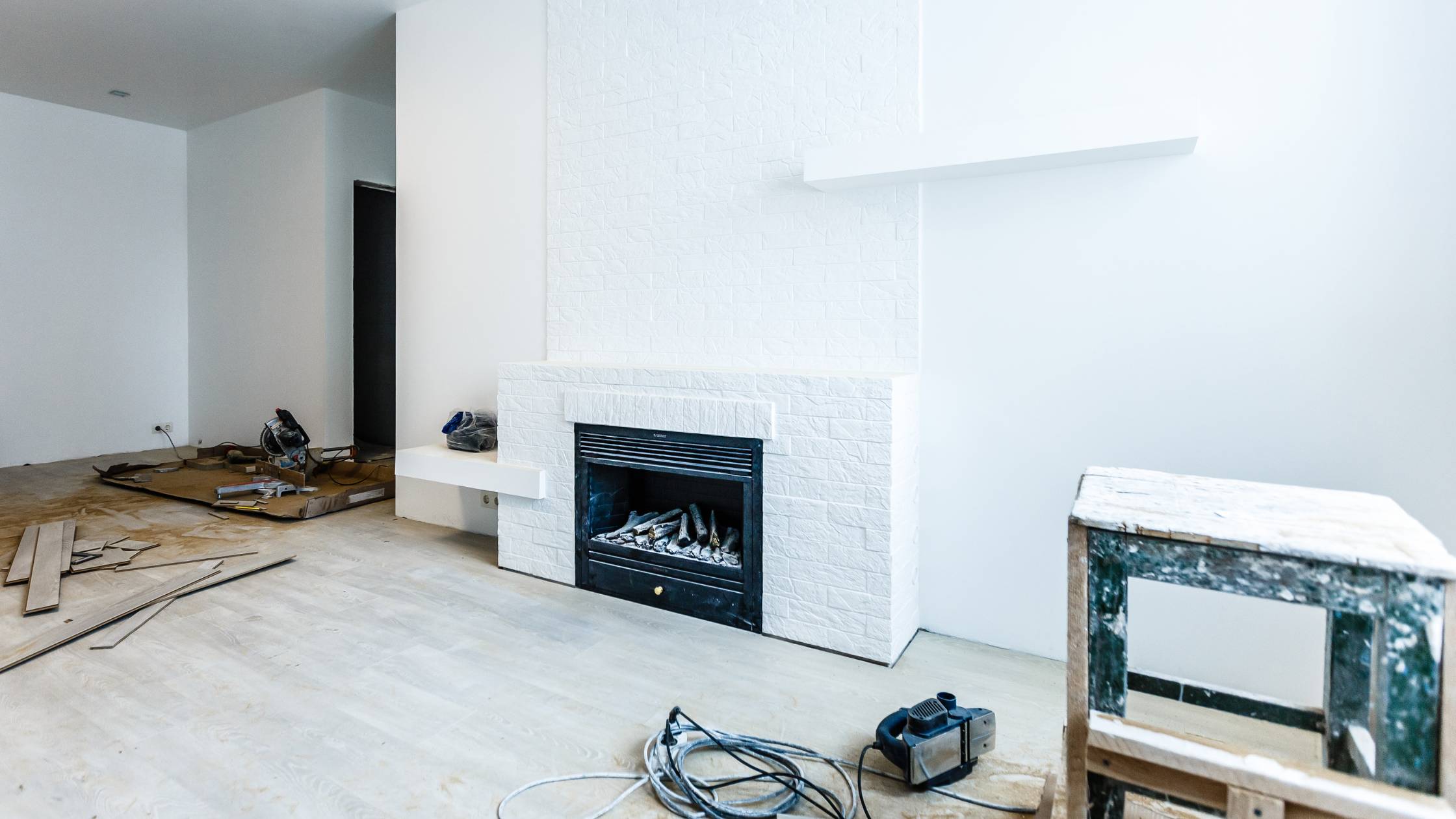
Home Remodeling Denver Colorado – What to Expect
Transforming outdated spaces into functional, beautiful environments that match your lifestyle is what home remodeling in Denver is all about. You might be updating just one room or planning something much bigger. Either way, working with experienced Denver contractors keeps your project on track with local building codes, helps you stick to budget, and creates lasting value. The best remodelers walk you through everything from your initial ideas to the final reveal with clear communication and solid craftsmanship.
Denver brings its own unique challenges. The climate here is intense, we’ve got historic architecture to consider, and building codes keep evolving. That’s why you need local expertise. Professional remodeling companies Denver know how to handle permit processes, choose materials that can handle our weather, and design spaces that boost both your daily comfort and home value in Colorado’s hot real estate market.
TL;DR:
Professional home remodeling in Denver covers everything from targeted kitchen and bathroom updates to complete home transformations and historic renovations. The best contractors offer design-build services that make projects smoother. Kitchen remodels typically cost $45,000-$85,000, bathroom renovations run $12,000-$50,000, and full basement finishes cost $35-$95 per square foot. Denver’s permit review takes an average of 108 days for intermediate projects and up to 180 days for major additions. Look for contractors with proper Denver licensing (Class C), solid insurance coverage ($1M/$2M liability minimum), and state trade licenses for electrical and plumbing work.
Key Points:
- Kitchen remodels put 30-40% toward cabinets, 25-35% toward labor, with total projects ranging $45,000-$85,000
- Bathroom renovations spend 35-45% on labor and 20-30% on fixtures in $12,000-$50,000 projects
- Basement finishing needs egress windows with at least 5.7 square feet of net clear opening and R-8 to R-13 insulation per Denver codes
- Garage door replacement tops Denver ROI at 193.9%, with project costs averaging $4,666
- Home additions take 180 days on average for permit review in Denver
- Check contractors through Denver’s Class C license, $1M/$2M liability insurance, and state electrical/plumbing credentials
- Schedule a free consultation to explore your remodeling ideas and get expert advice
Table of Contents

Why Denver Homeowners Choose Professional Remodeling Services
Denver’s housing market pays off when you make smart remodeling choices. Professional contractors bring technical know-how and local connections that translate directly into better results. Navigating Denver’s building codes, managing those long permit timelines, and coordinating multiple trades takes experience that DIY projects just can’t match.
Professional residential contractors Denver handle the complexity while you keep up with your daily life. They manage material sourcing when supplies get tight, coordinate inspections, and solve problems on-site without you having to babysit the project. This expertise becomes especially valuable in Denver’s tight skilled-labor market, where construction costs jumped 4.46% year-over-year in 2025.
Climate considerations drive many Denver remodeling decisions. Colorado’s brutal UV exposure, freeze-thaw cycles, and hail risk demand specific material choices and installation techniques for high-altitude environments. Professional contractors know to specify hail-resistant roofing, UV-stable finishes, and moisture barriers engineered for basement applications. They’re protecting your investment against Denver’s weather patterns.
Comprehensive Home Remodeling Services in Denver
Full service remodeling companies in Denver offer everything under one roof: design, permitting, construction, and support after the project wraps up. This approach eliminates the headache of juggling multiple vendors while making sure your design vision actually happens during construction.
Single-family home construction in metro Denver increased 7% compared to the previous year, with remodeling activity growing right alongside new builds. Homeowners focus on projects that improve daily life immediately and deliver strong resale value, especially kitchen upgrades, roof replacements, and bathroom renovations that attract today’s buyers.
Kitchen Remodeling and Design
Denver kitchen remodel projects are moving toward warm, organic looks over stark white minimalism. Natural wood cabinetry, beige and cream color palettes, and open layouts work well for both entertaining and everyday family life. It reflects Colorado’s connection to natural environments while keeping everything contemporary and functional.
Open-concept kitchens are still popular, but Denver design trends now add “back of house” support areas. Butler’s pantries and prep kitchens hide the mess while main kitchen areas stay clean and social. This addresses the reality that beautiful open spaces need hidden storage to actually work well.
Open kitchens with butler’s pantries solve a specific Denver challenge: mountain-view homes where guests naturally end up in kitchens need more ventilation equipment that requires concealment. Plus, altitude cooking produces more moisture that dedicated prep areas help contain.
Custom cabinetry with integrated appliances dominates higher-end projects. Panel-ready appliances disappear into surrounding woodwork, while pull-out pantries, appliance garages, and deep drawer systems maximize storage without creating visual clutter. Exotic stone countertops bring natural beauty and connect kitchen design to Colorado’s landscape.
Local kitchen remodeling contractors emphasize sustainable choices alongside aesthetics. Reclaimed wood, recycled-content surfaces, and energy-efficient appliances align with Colorado’s environmental values while delivering long-term performance.
Bathroom Renovation Solutions
Bathroom remodeling Denver Colorado projects focus on spa-inspired features and accessible design. Walk-in showers with frameless glass enclosures create open, modern feels while zero-threshold entries and built-in benches add both style and accessibility. These features appeal across generations, making bathrooms more inclusive without sacrificing design quality.
Matte black fixtures and square geometric shapes define current Denver bathroom looks. Paired with composite materials and large-format tiles, these choices create sleek, contemporary styles that need minimal maintenance. Groutless panels and porcelain tile handle Denver’s climate while reducing cleaning demands.
Spa-like upgrades balance luxury with practicality. Rainfall showerheads, soaking tubs, and bidets make daily life more comfortable, while slip-resistant flooring and integrated grab bars future-proof spaces for aging in place.
Material selection focuses on durability and low maintenance. Luxury vinyl plank, porcelain tile, and moisture-resistant finishes handle temperature swings and humidity better than traditional materials. This is especially important in basement bathrooms where Denver’s clay soils create persistent moisture management challenges that proper material choices help address.
Whole-Home Remodeling Projects
Whole house renovation contractors coordinate comprehensive updates that transform entire living environments. These projects often involve structural changes, system upgrades, and unified design that flows through every room. Planning considers long-term needs and how spaces evolve as families grow or lifestyles change.
Denver’s older housing stock frequently needs electrical, plumbing, and structural upgrades when opened for remodeling. Knob-and-tube wiring behind original plaster requires full electrical upgrades with new 200-amp panels. Load-bearing walls need structural engineer-designed LVL beams. What starts as cosmetic updates often uncovers code compliance needs that professional contractors address systematically.
Comprehensive remodels typically fall in the $100-275+ per square foot range in Denver, reflecting labor costs, material quality, and system complexity. Projects involving structural changes, custom finishes, and high-end fixtures trend toward the upper end.
Basement Finishing and Remodeling
Colorado basement finishing converts raw space into livable square footage that significantly increases home value. Full basement build-outs add code-compliant bedrooms, bathrooms, recreation rooms, and kitchenettes, effectively doubling usable living space.
Denver building codes require egress windows for basement bedrooms with at least 5.7 square feet of net clear opening. Window wells must allow easy exit while protecting against water intrusion. Basement walls need R-8 to R-13 insulation depending on grade exposure, with proper vapor barriers and moisture-resistant finishes preventing mold.
Basement remodeling addresses tight ceiling constraints by coordinating mechanical systems, ductwork, and plumbing while preserving headroom. Design-build firms excel at this three-dimensional puzzle, rerouting or boxing elements to maintain livable ceiling heights while meeting code.
Home Additions and Expansions
Home additions Colorado provide needed space without relocation costs and neighborhood disruption. Popular options include expanding living areas, adding bedrooms, or creating outdoor living spaces that blend indoor-outdoor functionality.
Denver home addition contractors face 180-day average permit review timelines for major additions. Complex projects occasionally reach 332 days when multiple departments need to coordinate reviews. This reality makes early planning and complete documentation critical for managing schedules.
Additions frequently run $200-400+ per square foot depending on finish level and structural complexity. Permits, engineering, design costs, and inspection requirements add thousands to project budgets beyond direct construction expenses.
Historic Home Renovations in Denver
Denver’s Queen Anne Victorians, Denver Squares, and Craftsman Bungalows need specialized renovation approaches that preserve architectural character while updating for modern living. Historic renovations balance original features with contemporary amenities.
Queen Anne homes showcase ornate woodwork, asymmetrical facades, and decorative shingles that must be preserved or carefully replicated. Renovation addresses deteriorating wood, outdated systems, and inefficient envelopes while protecting intricate detailing.
Denver Square renovations typically update kitchens and bathrooms while maintaining original woodwork and built-ins. These boxy, two-story homes feature efficient layouts and central dormers that renovation respects through symmetrical design approaches.
Craftsman Bungalows emphasize natural materials, exposed rafters, and built-in cabinetry. Restoration focuses on original woodwork, porch repair, and system upgrades while preserving handcrafted character. Denver’s Landmark Preservation Commission reviews exterior work on designated landmarks, requiring certificates of appropriateness before permits issue.
The Design-Build Advantage for Denver Remodeling Projects
Design-build firms Denver integrate design and construction under single leadership, streamlining communication and speeding up timelines. This model eliminates finger-pointing when designers and builders operate separately, creating clear accountability from concept through completion.
Single-point-of-contact benefits simplify decision-making. Rather than coordinating between architects, engineers, and contractors, you work with one team that manages all relationships and deliverables. This structure proves especially valuable when addressing on-site surprises or scope adjustments.
Design-build allows greater flexibility during construction. When field conditions differ from plans or better solutions emerge, integrated teams adapt quickly without formal change order battles between separate entities.
Our Proven Remodeling Process: From Vision to Completion
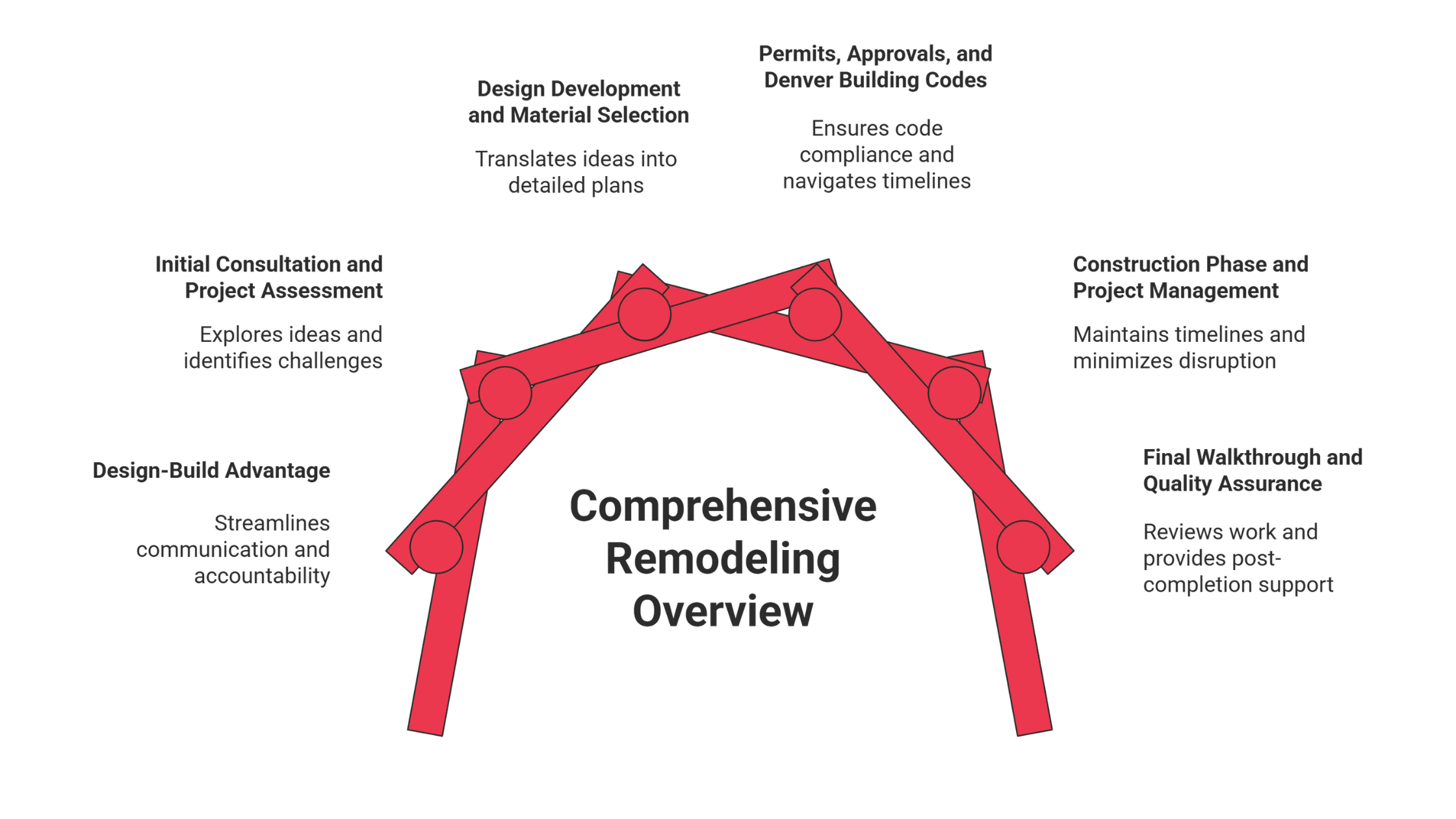
A structured approach guides remodeling projects through clearly defined phases, maintaining transparency from initial consultation through final walkthrough. This process balances homeowner vision with practical constraints, delivering results that match both aesthetic goals and functional needs.
Initial Consultation and Project Assessment
Free consultations explore your remodeling ideas, budget parameters, and timeline expectations. Comprehensive assessments identify scope boundaries, potential challenges, and opportunities for enhancing value beyond initial requests.
Project assessments examine existing conditions, structural considerations, and code implications. Experienced contractors spot issues early: outdated wiring, inadequate framing, or moisture problems that affect scope and budget. Addressing these realities upfront prevents costly surprises mid-project.
Design Development and Material Selection
Collaborative design sessions translate ideas into detailed plans that reflect your style and functional requirements. Designers balance aesthetic preferences with practical constraints, creating spaces that work beautifully in real life.
Material selection involves trusted supplier relationships that ensure availability, quality, and appropriate lead times. Early vendor consultation addresses sustainability attributes, processing constraints, and finish options before locking specifications.
Permits, Approvals, and Denver Building Codes
Kitchen and bathroom permits average 108 days for intermediate projects, while basement remodels range 108-180 days depending on structural complexity. Professionals navigate these timelines efficiently.
Experienced contractors ensure code compliance for electrical, plumbing, structural, and energy requirements. They understand Denver-specific rules around egress, insulation, moisture barriers, and accessibility, building these standards into plans from the start.
Construction Phase and Project Management
Effective project management maintains timelines and budgets through detailed scheduling, proactive problem-solving, and clear communication. Regular progress updates keep homeowners informed without requiring constant oversight.
Construction coordination minimizes disruption in occupied homes. Scheduling work logically, maintaining job-site cleanliness, and respecting household routines demonstrate professionalism.
Final Walkthrough and Quality Assurance
Final walkthroughs review completed work against original specifications, ensuring everything meets expectations before final payment. Quality assurance checks address any punch-list items systematically.
Post-completion support demonstrates contractors standing behind their work. Responsive service after project completion addresses minor adjustments and builds relationships that encourage referrals.
Denver Home Remodeling Costs and Budget Planning
Budget planning starts with understanding typical investment ranges and the factors that influence final costs. Denver construction costs increased 4.46% year-over-year in 2025, outpacing the national 1.11% average due to ongoing labor shortages and material price fluctuations.
Kitchen Remodel Cost Breakdown
Full kitchen remodels in Denver typically range $45,000-$85,000 depending on size and finishes. A 120 sq ft kitchen with stock cabinets and laminate counters runs $45-55K; the same space with custom cabinets, quartz counters, and panel-ready appliances reaches $70-85K.
In a $65K kitchen remodel, costs break down as:
- Cabinetry: 30-40% ($19,500-26,000): Stock cabinets at the low end, custom at the high end
- Labor: 25-35% ($16,250-22,750): Demo, carpentry, electrical, plumbing, installation, project management
- Countertops: 10-15% ($6,500-9,750): Laminate and basic quartz near 10%, premium quartz/natural stone closer to 15%
- Appliances: 10-15% ($6,500-9,750): Entry packages closer to 10%, high-end or built-ins closer to 15%
- Other: 10-20% ($6,500-13,000): Flooring, lighting, backsplash, permits, contingency
Higher ROI investments prioritize cabinet quality over exotic counters, functional layout over square footage, and durable finishes over trendy materials. Unusually low bids often signal unlicensed contractors or missing scope items like permits and disposal fees.
Bathroom Renovation Cost Breakdown
Mid-range full bathroom remodels in Denver range $12,000-$50,000+ depending on scope and finishes. Costs break down as:
- Labor: 35-45%: Demo, framing, waterproofing, tile setting, plumbing, electrical
- Fixtures: 20-30%: Tub/shower, toilet, vanity cabinet, sink, faucets, shower system
- Tile and finishes: 15-25%: Wall/floor tile, glass, mirrors, accessories
- Cabinets/countertops: 10-15%: Vanity tops, storage
- Other: 5-10%: Ventilation, permits, design fees, contingency
Basement Finish Cost Breakdown
Finishing an unfinished Denver basement commonly costs $35-95+ per sq ft, with the breakdown:
- Framing, drywall, carpentry: 20-30%
- Mechanical systems: 20-30%: Electrical, plumbing for baths/wet bars, HVAC distribution
- Flooring: 10-15%: Carpet, LVP, or similar
- Finish carpentry and doors: 10-15%: Trim, doors, stairs, railings, built-ins
- Bathroom build-out: 10-20% of total basement budget if included
- Other: 10-15%: Insulation, egress upgrades, permits, design, contingency
Factors That Influence Your Remodeling Budget
Denver’s tight skilled-labor market means experienced trades command premium rates. Framers, plumbers, electricians, and tile setters are in high demand, raising labor’s share of total project cost.
Older housing stock frequently requires system upgrades when opened for remodeling. Electrical panels, plumbing, structural reinforcement, and energy code compliance can turn cosmetic projects into more invasive jobs. These necessary upgrades protect long-term home value.
Material choices significantly impact budgets. Exotic stone countertops, custom cabinetry, high-end fixtures, and specialty finishes add substantially to baseline costs. Value engineering balances quality with budget by identifying where premium materials matter most.
Permitting fees and engineering costs for Denver additions and substantial remodels run into low thousands, adding soft costs before construction begins.
Financing Options and Payment Plans
Home equity loans typically offer fixed rates and 5-30 year terms, with recent APRs often falling below 8% for borrowers with strong credit and sufficient equity. These loans provide predictable payments for defined remodeling budgets.
HELOCs deliver flexibility for phased projects through variable-rate lines with 10-year draw periods followed by 10-20 year repayment. This structure works well when remodeling scope evolves or homeowners tackle multiple projects over time.
Financing Option | Typical APR Range | Term Length | Common Amounts |
Home equity loan | Below 8%* | 5-30 years | Varies by equity |
HELOC | Variable | 10-year draw + 10-20 repay | Varies by equity |
Personal loan | 6-36% | 2-7 years | $1,000-$50,000+ |
FHA 203(k) | FHA rates | 15-30 years | Purchase + renovation |
*For qualified borrowers with strong credit
Unsecured personal loans suit smaller projects without tapping home equity, though rates run higher at 6-36% APR. FHA 203(k) loans combine purchase or refinance with renovation financing into single FHA-insured mortgages, requiring minimum 3.5% down for qualified buyers.
Timeline Expectations for Denver Remodeling Projects
Realistic timeline expectations prevent frustration and enable proper planning. Denver’s current permit environment adds substantial front-end time before construction begins.
Kitchen and bathroom permits average 108 days for intermediate projects in Denver. Basement remodels involving structural changes or egress typically take 108-180 days for review. Major home additions average 180 days, with complex projects reaching 332 days when multiple departments coordinate approvals.
Construction duration varies by project scope. Minor bathroom updates might complete in 3-4 weeks after permits, while comprehensive kitchen remodels typically run 6-10 weeks. Whole-house renovations and substantial additions extend several months depending on square footage and finish complexity.
Homeowner decision-making affects timelines significantly. Quick material selections, timely approvals, and clear change-order communication keep projects moving. Delays in choosing tile, fixtures, or paint colors ripple through schedules, sometimes requiring trade rescheduling that pushes completion dates.
Weather impacts Denver construction schedules, especially for exterior work and additions. Winter cold affects concrete curing, exterior painting, and roofing installation. Experienced contractors plan around seasonal constraints and communicate weather-related adjustments proactively.

What Sets Top-Rated Denver Remodeling Companies Apart
Top-rated firms distinguish themselves through technical expertise, local relationships, transparent communication, and long-term accountability. These differentiators translate directly into better project experiences and superior outcomes.
Verifying Contractor Credentials and Qualifications
When evaluating Denver contractors, verify proper credentials before signing any contract:
Local licensing requirements:
- Active Denver contractor license in correct class (Class C for residential work)
- Valid Denver Supervisor Certificate or accepted state electrical/plumbing license
- Verification through Denver’s city/county website or building department
Insurance coverage minimums:
- General liability insurance: at least $1 million per occurrence and $2 million aggregate
- Workers’ compensation insurance if they have employees
- Current certificate of insurance sent directly from their insurance agent
- Policy limits, expiration dates, and business name matching license and contract
State trade licenses:
- State-licensed electrical contractor using licensed electricians
- State-licensed plumbing contractor using licensed plumbers
- Confirmation licenses are current via Colorado state license lookup
- Contract language stating all electrical/plumbing performed by appropriately licensed trades
Professional affiliations:
- Membership in National Association of the Remodeling Industry (NARI), National Association of Home Builders (NAHB), or local Home Builders Association
- Better Business Bureau rating with few unresolved complaints
- Voluntary certifications such as Certified Remodeler (CR) or Certified Kitchen and Bath Remodeler (CKBR)
Permitting practices:
- Contractor pulls permits in their name, not yours
- Can show history of permitted projects in your city/county
- Written confirmation they’ll obtain all required permits with fees included in scope
Request three references from projects within two years, permission to contact recent local clients, and confirmation of no major unresolved complaints with BBB, local building departments, or state consumer-protection agencies.
Local Denver Market Knowledge and Relationships
Established vendor relationships deliver reliable material sourcing and favorable pricing. Long-term partnerships with suppliers ensure consistent quality, reasonable lead times, and priority service when supply chains tighten.
Subcontractor networks built over years provide access to skilled trades who understand quality expectations. Rather than assembling random crews, experienced remodelers work with trusted electricians, plumbers, and finishers who deliver consistent results.
Neighborhood familiarity informs design recommendations that enhance value in specific Denver markets. Understanding what buyers seek in Capitol Hill versus Cherry Creek versus Highlands enables targeted investments that maximize resale appeal.
Transparent Communication and Project Updates
Regular progress updates maintain homeowner confidence throughout multi-week projects. Weekly summaries, prompt responses to questions, and same-day notification of issues demonstrate professionalism.
Written documentation of changes, selections, and approvals protects both parties. Dated change orders that detail cost and schedule impacts eliminate disputes about what was agreed.
Clear explanation of challenges when they arise shows respect for homeowner investment. Rather than hiding problems, top contractors present options with cost and time effects, recommending solutions while honoring client decision authority.
Warranty Protection and Post-Project Support
Written limited warranties typically cover workmanship and contractor-supplied materials for one year from substantial completion. Major systems and structural elements often carry 2-10 year coverage through third-party programs or direct contractor guarantees.
Warranty programs exclude damage from neglect, lack of maintenance, or normal wear. Manufacturer warranties govern appliances, fixtures, and certain materials separately.
Scheduled follow-up visits at 30 days and 11 months demonstrate commitment to long-term satisfaction. Responsive service calls address minor adjustments promptly.
Conclusion
Free consultations provide the foundation for successful Denver home remodeling projects. These initial conversations explore your vision, assess what’s realistic, and set clear expectations for budget, timeline, and outcomes. Expert guidance helps you make informed decisions about scope, priorities, and next steps.
These consultations carry no obligation but offer substantial value. You gain professional insight into your project’s complexity, typical investment ranges, and potential challenges before committing resources. This information enables smarter planning whether you proceed immediately or phase work over time.
Contact JROC today to schedule your free consultation and begin transforming your Denver home. Explore comprehensive services including bathroom remodeling Denver Colorado, Colorado basement finishing, and home improvement ROI consulting to understand how strategic renovations enhance both lifestyle and home value in Denver’s competitive market.