

Bathroom Remodeling Denver Colorado – Why It Pays Off
Bathroom remodeling in Denver has exploded in 2025. Homeowners want to squeeze every dollar of value from their properties as the real estate market shifts around them. Maybe you’re dreaming of a spa-like master bath or just need to refresh that cramped powder room. Either way, working with seasoned Denver contractors makes all the difference between a smart investment and an expensive mistake.
JROC Properties handles full-service bathroom remodeling across the metro area. We’re Denver-licensed with state-certified plumbing and electrical credentials. Planning a bigger renovation? Ourkitchen remodeling servicespair perfectly with bathroom updates for a complete home transformation.
Denver’s climate throws curveballs. Building codes here don’t mess around. The housing market stays competitive even when it softens. All of this creates specific challenges for bathroom remodels that contractors from other cities might fumble. Strategic bathroom upgrades boost daily comfort while keeping your property competitive no matter which direction the market moves.
To align your bath upgrade with your broader home strategy, explore our guide onrenovate before selling in Coloradoand see how bathroom remodeling Denver Colorado fits into a full ROI plan.
TL;DR: Bathroom Remodeling Denver Colorado
Bathroom remodeling Denver Colorado is trending in 2025 as homeowners seek comfort, style, and ROI-driven upgrades. Projects typically cost between $12K–$40K+, depending on scope, with top priorities including walk-in showers, water-efficient fixtures, and modern layouts. Choosing licensed local contractors like JROC Propertiesensures code compliance, transparent timelines, and high resale value.
Key Points
- Typical Costs:$12K–$20K for smaller updates; $40K+ for luxury primary suites in Denver.
- ROI:Averages 65–75%depending on materials and layout efficiency.
- Trends:Spa-inspired designs, aging-in-place layouts, heated floors, and water-saving fixtures.
- Permits:Denver-specific requirements for plumbing, electrical, and ventilation, always verify with licensed pros.
- Timeline:3–6 weeks for most projects, with 1 week pre-permit phase.
- Contractor Tip:Always verify insurance, references, and past work in Denver’s climate conditions.
Book a design consultation withJROC Propertiesto plan your next remodel.
Table of Contents
Why Denver Homeowners Are Remodeling Their Bathrooms in 2025
The Denver housing market tells a clear story this year. Active listings have nearly doubled compared to seasonal averages, withover 10,000 homessitting on the market in mid-2025. More inventory means buyers call the shots now. They want move-in-ready properties, and updated bathrooms top their wish lists.
Home values have pulled back slightly. Average prices hover between$535,000 and $599,000, reflecting a 2.6% to 4.5% drop from 2024 peaks. Smart bathroom updates help homes shine during showings and often justify premium pricing even when market conditions favor buyers.
Denver’s older housing stock drives renovation decisions too. Walk through Congress Park or Wash Park and you’ll find homes with original bathrooms from the 1920s through 1960s. These spaces lack modern amenities and efficient fixtures that today’s buyers expect. Accessibility considerations matter more now, with Colorado seeingan 18% year-over-year increasein bathroom renovations focused on aging-in-place features. Bathroom remodeling Denver Colorado is driven by three core realities: aging homes, rising buyer expectations, and the demand for modern, low-maintenance finishes.
Types of Bathroom Remodeling Services in Denver
Full Bathroom Remodels
Full bathroom remodels strip everything down to the studs and rebuild from scratch. This means new plumbing and electrical systems, fresh fixtures, updated surfaces, and modern finishes. Denver contractors regularly find surprises in older homes during these projects. Galvanized pipes, inadequate ventilation, mystery wiring behind walls. It’s part of the territory here.
When you plan bathroom remodeling Denver Colorado with JROC, each scope is built to match your home’s age, layout, and resale goals, not just what looks good on a mood board.
JROC Properties plans full remodels with Denver’s building codes and inspection requirements baked in from day one. Primary bathroom remodels in most Denver neighborhoods run$30,000 to $50,000+, while luxury areas like Cherry Creek see $42,000 to $65,000 price tags.
Shower and Tub Conversions
Homeowners can’t get enough of tub-to-shower conversions these days. Spacious walk-in showers beat cramped tub-shower combos every time. These conversions typically cost $8,000 to $15,000 and wrap up in 2-3 weeks.
Popular features include frameless glass enclosures, multiple showerheads, built-in benches, and accent tile niches. Denver’s water-conscious market also pushes demand for low-flow showerheads and thermostatic valves that maintain consistent temperatures while cutting water waste.
Accessible and Aging-in-Place Remodels
Accessible bathroom remodels use universal design principles that work for users of all abilities. Denver contractors with aging-in-place experience install zero-threshold showers, strategically placed grab bars, comfort-height toilets, and slip-resistant flooring.
Universal design renovations return 69.5%in Denver, surpassing national averages. These modifications typically range from$2,700 to $16,000, with essential ADA-compliant features averaging $8,400.
Powder Room and Half-Bath Updates
Powder room renovations pack major impact into modest budgets. These small spaces let homeowners make bold design statements without breaking the bank. Updates generally range from $5,000 to $15,000 depending on fixture quality and finish choices.
Current trends favor statement wallpaper, unique vanities with vessel sinks, dramatic lighting, and mixed materials like patterned tile or textured stone. For homeowners prepping to sell, powder room updates deliver strong returns by creating killer first impressions. The small scale means completion in 1-2 weeks with minimal household chaos.
Real Denver Bathroom Remodel Projects: What to Expect
Real project stories help homeowners understand what actually happens during renovations.
Park Hill Master Bathroom: Tub-to-Shower Conversion
A Park Hill homeowner transformed their cramped master bathroom by converting a dated tub-shower combo into a spacious walk-in shower. The home, valued at$725,000 pre-remodel, had original 1960s fixtures and practically zero storage.
Challenges encountered: Creating spaciousness in the modest-sized bathroom while maximizing storage proved tricky. The existing plumbing setup required rerouting to accommodate the new walk-in shower with built-in bench.
Solutions implemented: A floating double vanity with quartz countertop opened up the visual space while maintaining sufficient storage. Frameless glass shower doors and large-format porcelain tiles enhanced visual flow and reduced maintenance headaches. Multiple lighting zones with LED fixtures improved both energy efficiency and lighting quality throughout the space.
Timeline and cost: The project required 6 weeks and cost $32,500. The appraised home value jumped to $750,000, adding $25,000 in value and delivering a 77% ROI.
Washington Park Guest Bathroom: Code Compliance Update
A Washington Park homeowner updated their 1970s-era guest bathroom, replacing outdated fixtures and bringing the space up to current Denver building codes. The 60-square-foot bathroom served guests adequately but felt cramped and seriously dated.
Challenges encountered: Outdated plumbing and electrical from original construction required significant work to meet current codes. Tight space planning demanded careful fixture selection to achieve spa-like amenities without expanding the footprint.
Solutions implemented: Existing plumbing got rerouted to accommodate a new walk-in shower configuration and vanity position, bringing everything up to Denver’s building codes. Space-saving storage solutions and a floating vanity maximized usable area. New lighting and a frameless glass enclosure made the room feel substantially larger and more contemporary.
Timeline and cost: The project took6 weeks and cost $27,000, including 1 week for permitting and inspections. The renovation delivered an estimated ROI between 60-74% based on 2025 Denver remodeling returns.

2025 Bathroom Design Trends in Denver Colorado
Spa-Inspired Features and Wellness Integration
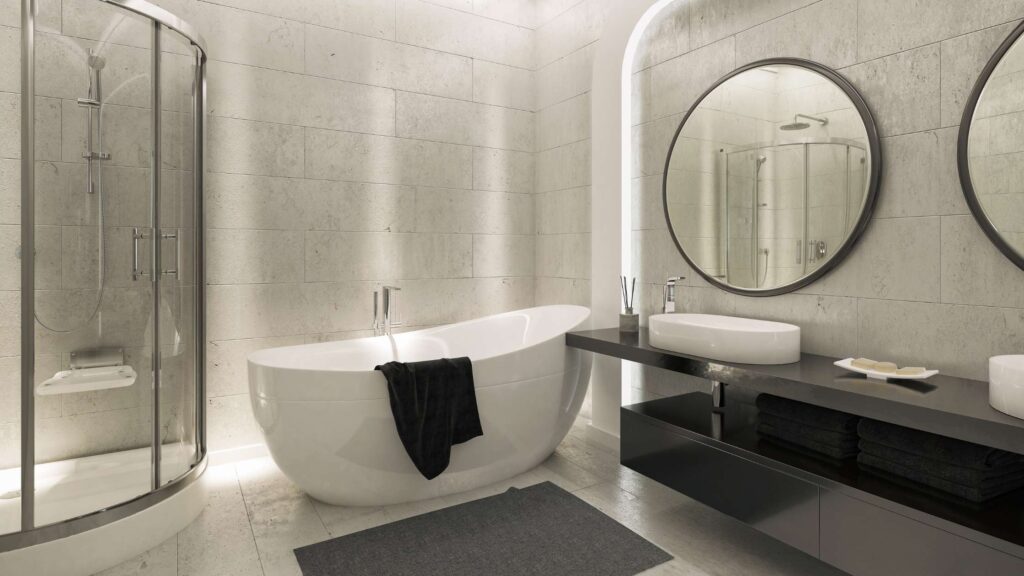
Spa-inspired bathrooms have shifted from luxury extras to must-have features. Homeowners want daily retreat spaces that promote relaxation through freestanding soaking tubs, oversized walk-in showers with multiple spray options, and heated flooring systems (especially appreciated during Colorado’s colder months).
Steam showers with chromotherapy lighting, rainfall showerheads, and built-in seating transform routine bathing into restorative experiences. Smart technology supports wellness goals through programmable shower systems that remember temperature preferences, mirrors with defogging capabilities, and voice-activated controls for lighting and music.
Sustainable Materials and Water-Efficient Fixtures
Denver’s water conservation priorities fuel strong demand for eco-friendly bathroom solutions. WaterSense-certified fixtures have become standard, with ultra-high-efficiency toilets using 50-75% less water than conventional models. Programs through Denver Water offer rebates for qualifying fixture upgrades, making sustainable choices financially smart.
Sustainable materials extend beyond fixtures to surfaces and finishes. Homeowners choose recycled glass countertops, reclaimed wood vanities, and low-VOC paints that improve indoor air quality. Water-efficient faucets and showerheads maintain performance while dramatically reducing consumption and utility costs.
Popular Color Palettes and Finishes
Denver bathroom color trends emphasize calming earth tones and nature-inspired hues. Warm neutrals like Sherwin-Williams Natural Linen and Benjamin Moore White Dove create serene backdrops that pair beautifully with wood and stone elements. Muted greens such as Sea Salt and Evergreen Fog echo Colorado’s outdoor landscape.
Finishes trend toward matte and satin options that add sophistication while minimizing water spot visibility. Mixing metal finishes (matte black fixtures with brushed brass accents) creates visual interest and contemporary style. Textured tiles and handcrafted elements add depth and character to spaces.
Bathroom Remodeling Costs in Denver: What to Expect
Denver bathroom remodeling costs consistently run7-10% higherthan national averages. Regional labor rates, material transportation costs, and strict building code requirements drive up expenses.
Project Type | Cost Range | Timeline | Key Features |
Basic Refresh | $12,000 – $20,000 | 1-2 weeks | New fixtures, paint, cosmetic updates |
Mid-Range Remodel | $20,000 – $40,000 | 4-6 weeks | Semi-custom vanities, quality tile, layout changes |
Luxury Renovation | $40,000 – $76,000+ | 6-12 weeks | Custom cabinetry, premium stone, smart tech, heated floors |
Powder Room Update | $5,000 – $15,000 | 1-2 weeks | Complete fixture replacement, tile, lighting |
Tub-to-Shower Conversion | $8,000 – $15,000 | 2-3 weeks | Walk-in shower, glass enclosure, waterproofing |
Accessible Remodel | $2,700 – $16,000 | 2-4 weeks | ADA features, grab bars, zero-threshold access |
Labor typically represents 50% of total project costs, with licensed Denver contractors charging $70-$95 per hour. Material quality significantly impacts final costs. Premium natural stone, custom cabinetry, and high-end fixtures quickly push budgets skyward. Cost per square foot ranges from$100 to $500depending on finish selections and complexity.
Factors That Impact Your Remodeling Budget
Bathroom size directly affects material quantities and labor hours. Layout changes involving moved plumbing or electrical systems add complexity and expense, since Denver’s strict code requirements mandate licensed professionals for these modifications.
Fixture quality creates huge cost variations. Stock vanities differ dramatically from custom cabinetry crafted to exact specifications. Similarly, standard fiberglass shower bases cost far less than custom-tiled wet rooms with linear drains and multiple spray systems.
Hidden conditions in older Denver homes frequently wallop budgets. Outdated plumbing, inadequate ventilation, or water damage behind walls may need remediation before new finishes can be installed. Experienced contractors include contingency allowances to address these surprises without derailing projects.
ROI and Home Value Considerations
Bathroom remodels consistently deliver strong returns in Denver’s competitive real estate market. Midrange bathroom remodels yield 74.8% ROI, while upscale projects average 68.3%. Both exceed national benchmarks by 6-8%. Quality bathroom renovations can add $15,000 to $40,000 in home value depending on scope and neighborhood.
Denver neighborhoods show varying ROI patterns. Practical, value-focused upgrades in areas like Lakewood and Aurora achieve79-80% returns, while Cherry Creek homeowners accept slightly lower percentages for luxury, wellness-oriented features that match neighborhood expectations.
Making Smart Choices: Common Decision Points
Denver homeowners face several key trade-offs during bathroom remodeling. Understanding these decisions helps prioritize investments for maximum impact.
Frameless vs. Semi-Frameless Glass Enclosures
Denver’s hard water makes shower glass maintenance a real consideration. Frameless enclosures create sleek, contemporary looks but demand diligent cleaning to prevent mineral buildup on larger glass surfaces. Semi-frameless options with minimal framing cost 20-30% less while providing easier maintenance around seals and edges. For busy households, the reduced maintenance burden often trumps aesthetic preferences.
When to Keep the Tub
Primary bathrooms increasingly feature shower-only configurations, but tub removal carries resale implications. Family-friendly neighborhoods like Park Hill and Washington Park see buyer resistance to homes without any tubs. If your home has only one bathroom with a tub, consider keeping it or relocating tub functionality to another bathroom during renovations. Homes in urban areas with younger buyers tolerate tub elimination better than suburban family neighborhoods.
Splurge vs. Save: Budget Allocation Strategy
Not all bathroom elements deliver equal return on investment. Splurge on elements that impact daily experience and are difficult to change later: quality shower systems, durable tile work, and proper waterproofing. Save on easily replaceable items like faucet finishes, cabinet hardware, and decorative lighting that can be updated inexpensively as tastes evolve.
Hidden infrastructure deserves investment too. Quality waterproofing systems, proper ventilation, and code-compliant plumbing prevent expensive callback repairs. Cutting corners on these elements to afford premium finishes creates long-term problems that exceed initial savings.

How to Choose the Right Bathroom Remodeling Contractor in Denver
Essential Credentials and Licensing
Denver requires contractors performing structural, plumbing, or electrical work to hold valid Denver contractor licenses. The city mandates aSupervisor Certificate or state plumbing/electrical licensefor contractor licensing. Request license numbers and verify status through the City and County of Denver’s contractor licensing office.
State electrical or plumbing licensesfrom the Colorado State Plumbing Board or State Electrical Board are required for trades work. Verify that contractors carry both general liability insurance and workers’ compensation coverage. Request current certificates of insurance before work begins.
Professional affiliations with organizations like the National Association of the Remodeling Industry indicate contractors maintain industry connections and continuing education. These memberships suggest commitment to professional standards.
The contractor you choose for bathroom remodeling Denver Colorado will determine whether your project stays on budget, passes inspections, and actually increases your home’s value.
Questions to Ask During Consultations
Initial contractor consultations reveal crucial information about experience, approach, and compatibility. Ask how long they’ve operated in Denver and request examples of recent bathroom projects similar to yours. Review portfolios carefully, looking for quality craftsmanship and design sensibility that aligns with your preferences.
Discuss project management approaches and communication protocols. Clarify who serves as your primary contact, how often you’ll receive updates, and how the contractor handles unexpected issues or change orders.
Request detailed information about project timelines, including estimated start dates, construction duration, and milestone schedules. Inquire about permitting responsibilities and ensure the contractor handles all required applications and inspection coordination.
Discuss payment structures carefully. Reputable contractors request reasonable deposits (typically 10-25% of total project costs) with remaining payments tied to completed milestones. Never pay the full amount upfront. Ask about warranties covering both materials and workmanship, typically extending 1-2 years for labor.
Red Flags to Avoid
Inability or unwillingness to provide proof of licensing and insurance represents a critical red flag. Operating without proper credentials exposes homeowners to liability and suggests contractors cut corners elsewhere.
Pressure tactics demanding immediate decisions or requiring large upfront payments signal potential problems. Lack of references or reluctance to provide contact information for previous clients suggests poor workmanship or dissatisfied customers. Contact multiple references and ask specific questions about communication, timeline adherence, and problem resolution.
Vague contracts lacking detailed specifications for materials, fixtures, timelines, and payment schedules create opportunities for disputes. Insist on comprehensive written agreements before signing. Poor communication during consultation often predicts worse problems during construction.
We’ve encountered DIY repairs in Highlands homes that violate Denver building codes because homeowners or unlicensed contractors didn’t understand permit requirements for plumbing and electrical modifications. These violations complicate future sales and create liability issues. Always verify that contractors pull appropriate permits for work involving structural, plumbing, or electrical systems.
Cutting corners on bathroom remodeling Denver Colorado, especially with plumbing, waterproofing, and ventilation, is how small updates turn into expensive structural problems.
The Bathroom Remodeling Process: What to Expect
Initial Consultation and Design Phase
The remodeling journey starts with consultation where you explain your vision, functional needs, and budget constraints. JROC Properties conducts thorough site evaluations, measuring spaces and assessing existing conditions that might impact design or budget.
Design development involves translating preferences into workable plans. Contractors present layout options, fixture selections, and material samples while discussing pros and cons of different approaches. Budget refinement occurs as design specifics crystallize, with itemized estimates breaking down costs for labor, materials, fixtures, and permits. This phase typically requires 1-3 weeks.
Permitting and Construction
Denver’s permitting process requires submitting detailed plans showing proposed structural, plumbing, and electrical changes. Processing times typically require 2-3 weeks, sometimes longer for complex projects. Pre-construction preparation involves ordering materials and coordinating delivery schedules. Custom cabinetry or specialty tiles may require 8-12 weeks lead time.
Demolition kicks off active construction, requiring 1-2 days to remove old fixtures and finishes. Contractors carefully inspect framing and infrastructure during demolition, identifying any hidden issues. Rough-in work follows, addressing plumbing and electrical updates. Licensed professionals install new water lines, drain pipes, and electrical circuits according to approved plans. Inspectors verify this work before contractors close walls.
Installation phases bring visible progress as surfaces and fixtures transform the space. Contractors install cement board, apply waterproofing, and lay tile work requiring several days including grout curing time. Cabinetry installation, countertop fabrication, and fixture mounting follow tile completion.
Finishing work includes painting, installing trim, mounting mirrors and accessories, and connecting plumbing fixtures. Final inspections by city officials ensure all work meets code requirements before issuing project closeout documentation. Standard bathroom remodels require 4-8 weeks from demolition to completion.
Final Walkthrough and Warranty
The final walkthrough allows you to inspect completed work and create punch lists addressing remaining concerns. Warranties typically cover workmanship for 1-2 years from completion, while materials carry manufacturer warranties of varying lengths. Contractors provide documentation explaining coverage terms and care instructions for new fixtures and surfaces.

Denver-Specific Considerations and Common Challenges
Climate and Environmental Factors
Denver’s altitude and climate dramatically affect material performance and installation requirements. The city’s high elevation and temperature swings of over 60°F seasonally demand materials resistant to expansion and contraction. Flexible sealants, specialty mounting systems for countertops, and moisture-resistant finishes prevent problems specific to Denver’s environment.
Water conservation requirements reflect Denver’s semi-arid climate and periodic drought conditions.Denver Water rebate programsincentivize ultra-high-efficiency toilets and WaterSense-certified fixtures. Incorporating these elements during remodels reduces utility costs while supporting regional conservation goals.
Challenges in Older Denver Homes
Remodeling bathrooms in pre-1970 Denver homes presents distinct challenges requiring specialized expertise:
Corroded plumbing systems: Older Denver homes often have original galvanized or cast iron plumbing that’s corroded and prone to leaks or clogs. Replacing these pipes to meet modern standards can reveal additional issues like deteriorated shut-off valves or connections that are worn or leaking. We’ve encountered Congress Park homes three times last year where removing old fixtures exposed corroded pipes requiring complete replacement from the main line.
Structural concerns: Many homes from this era may have foundational or framing issues. Keeping the home structurally sound can require additional work to foundations, walls, or roofing that may not become apparent until demolition begins.
Hazardous materials: Bathrooms may contain materials now recognized as hazardous, such as lead pipes or asbestos in tile backings and flooring. Safe remediation or replacement of these materials is necessary and can add complexity to any remodeling project. When working with Cherry Creek historic homes, we routinely find asbestos-containing materials in floor tiles and backing that require certified abatement before proceeding.
Electrical limitations: The electrical panels and wiring in homes from this period often lack the capacity for modern bathroom demands, particularly with new lighting, fans, or outlets. Upgrades may involve significant re-wiring or electrical panel replacement to meet code and safety standards.
Historic District Requirements
Historic district regulations impact bathroom remodels in neighborhoods like Curtis Park and parts of Washington Park. Projects in designated historic areas may require additional approvals and must respect architectural character even for interior modifications. Landmark Preservation guidelines restrict window and exterior material choices (vinyl not permitted) and can require replication or restoration of original features using historically accurate, often more expensive, materials.
Building codes in Denver meet or exceed national standards, with specific provisions addressing high-altitude construction, seismic considerations, and energy efficiency. Contractors must navigate these requirements while coordinating multi-phase inspections that verify compliance before proceeding to subsequent construction stages.
Frequently Asked Questions
Do I need permits for bathroom remodeling in Denver?
Yes, Denver requiresbuilding permits for any remodelinvolving plumbing, electrical, structural, or HVAC changes. Cosmetic updates like painting or replacing fixtures without relocating them typically don’t require permits. Failing to obtain required permits can result in fines, legal issues, and complications when selling your home.
How long does the permitting process take in Denver?
Denver’s permitting process typically requires 2-3 weeks for standard bathroom remodels. Complex projects involving structural changes or historic properties may require additional review time. Your contractor should handle all permitting coordination and schedule inspections at appropriate construction phases.
What’s the best time of year to remodel a bathroom in Denver?
Spring and fall offer ideal weather conditions for bathroom remodeling, though interior work continues year-round. Summer sees higher contractor demand and potentially longer scheduling timelines. Winter months sometimes offer more contractor availability, though material deliveries may face weather-related delays. Plan projects 8-12 weeks in advance regardless of season to ensure optimal scheduling and material availability.
Should I remove my only bathtub during a remodel?
Consider your home’s location and target buyer demographics. Family-friendly neighborhoods strongly favor homes with at least one bathtub. If your primary bathroom is the only tub location, consider keeping it or relocating tub functionality to another bathroom. Urban properties targeting young professionals tolerate tub-free configurations better than suburban family homes.
Conclusion
Denver homeowners planning bathroom remodels in 2025 have exciting opportunities to enhance comfort, functionality, and property value. Strategic investments in quality materials, contemporary design, and efficient fixtures deliver both immediate lifestyle improvements and strong financial returns when selling.
Working with experienced Denver contractors ensures projects navigate local permitting requirements, comply with building codes, and address climate-specific considerations that impact long-term performance. JROC Properties brings licensed expertise, transparent communication, and full-service design-build capabilities to every bathroom remodeling project throughout the Denver metro area.
Whether you’re considering an accessible aging-in-place renovation, a luxury spa-inspired transformation, or a strategic update to boost home value before selling, professional guidance helps you make informed decisions that align with your goals and budget. When done right, bathroom remodeling Denver Colorado gives you daily comfort now and stronger negotiating power when it’s time to sell.
Contact JROC Propertiestoday to schedule your bathroom remodeling consultation. We’ll assess your space, discuss your vision, and develop a comprehensive plan that transforms your bathroom into the functional, beautiful retreat you deserve. For additional insights on maximizing your home improvement investments, explore ourguide on renovating before sellingto understand which upgrades deliver the strongest returns in Colorado’s evolving real estate market.